Comparison of antibacterial properties between nano zinc oxide and nano titanium dioxide

SAT NANO is a best supplier of ZnO nanoparticle and TiO2 nanoparticle in China. They are used on antibacterial materials. Nano zinc oxide (ZnO NPs) and nano titanium dioxide (TiO ₂ NPs) are currently widely studied and applied broad-spectrum antibacterial materials. They mainly exert antibacterial effects through mechanisms such as photocatalytic production of reactive oxygen species (ROS), release of metal ions, and direct contact damage to bacterial structures. However, there are some key differences in the antibacterial properties and mode of action between the two.


Comparison of antibacterial mechanisms


antibacterial mechanism

Zno Nanoparticle TiO2 nanoparticle
Metal ion release
Can release zinc ions (Zn ² ⁺), penetrate the cell membrane and interact with intracellular substances, disrupting bacterial metabolism
Almost independent of this mechanism
Reactive oxygen species (ROS) generation
It is generated under light (including ultraviolet and partial visible light), but its important characteristic is the ability to produce reactive oxygen species even in the dark
It is the main antibacterial mechanism, but highly dependent on UV excitation. In low light or dark environments, this mechanism is almost ineffective
Direct contact damage
Nanoparticles can adsorb onto bacterial surfaces and disrupt the integrity of cell walls and membranes through electrostatic interactions, mechanical damage, and other means
This mechanism is relatively weak, and the antibacterial effect relies more on the strong oxidizing substances produced by photocatalysis.


Comparison of antibacterial efficacy

From the perspective of direct antibacterial effects, multiple studies have shown that nano zinc oxide is usually superior to nano titanium dioxide.

1.Minimum inhibitory concentration (MIC) comparison: A comparative study conducted in 2023 determined the MIC of two nanomaterials against different bacteria. The lower the value, the stronger the antibacterial ability. The results showed that the MIC values of nano zinc oxide on all tested strains were significantly lower than those of nano titanium dioxide.

2.For Escherichia coli: Nano zinc oxide is 0.01 mg/mL, and nano titanium dioxide is 0.04 mg/mL.

3.For Pseudomonas aeruginosa: nano zinc oxide is 0.015 mg/mL, nano titanium dioxide is 0.08 mg/mL.

4.For Klebsiella pneumoniae: Nano zinc oxide is 0.01 mg/mL, nano titanium dioxide is 0.07 mg/mL.

5.Comparison of inhibition zone size: At the same concentration (1.4 mg/mL), the inhibition zone diameter of nano zinc oxide against Klebsiella pneumoniae reached 25mm, which is also larger than 20mm of nano titanium dioxide.

6.Practical application verification: In the study of applying nanomaterials to polyethylene water supply pipes, it was also found that the antibacterial system of nano zinc oxide and nano silver was more effective than that of nano titanium dioxide system.


Influencing factors
The antibacterial effects of both are influenced by the following factors:

1.Particle size: The smaller the particle size, the larger the specific surface area, and the stronger the antibacterial activity. For example, 15nm zinc oxide has higher antibacterial performance than 30nm zinc oxide.

2.Particle concentration: Within a certain range, the antibacterial effect is positively correlated with concentration.

3.Environmental conditions: For titanium dioxide that relies on photocatalysis, lighting conditions (especially ultraviolet light intensity) are the determining factor. Although zinc oxide is also affected by light, it can still maintain antibacterial activity in the dark through mechanisms such as ion release.

4.Bacterial types: Different bacteria (Gram positive and Gram negative) have different cell wall structures and varying sensitivities to nanomaterials


Overall, the antibacterial performance of nano zinc oxide is superior to that of nano titanium dioxide, mainly reflected in the following aspects:

1.he antibacterial mechanism is more comprehensive: Nano zinc oxide combines three mechanisms: "ion toxicity", "photocatalysis", and "contact killing", making it effective under different light conditions and applicable to a wider range of scenarios.

2.Intrinsic antibacterial activity is stronger: By comparing key indicators such as minimum inhibitory concentration (MIC), nano zinc oxide can effectively inhibit the growth of various bacteria at lower concentrations.

3.Safety: Studies have shown that at specific concentrations, nano zinc oxide exhibits lower cytotoxicity than nano titanium dioxide.


We can supply ZnO nanopowder 10-20nm, 20-30nm, 50nm, 100nm and TiO2 nanopowder 5nm, 20-30nm, 30-50nm, 100nm,we also can supply their dispersion. if you have any enquiry of them, please contact us at admin@satnano.com
Comparison of physical and chemical methods for the preparation of nano powders

The preparation of nanopowders is generally categorized into Physical Methods and Chemical Methods. Below is a detailed comparison list highlighting their characteristics:

Comparison Table: Physical vs. Chemical Synthesis of Nanopowders

Feature
Physical Methods (Top-down)
Chemical Methods (Bottom-up)
Basic Principle
Top-down: Bulk materials are broken down into nanoparticles using physical energy (mechanical, thermal, etc.).
Bottom-up: Atoms, molecules, or ions are assembled into nanoparticles through chemical reactions.
Typical Techniques
Mechanical ball milling, Thermal/Vacuum evaporation, Laser ablation, Plasma processing, Sputtering.
Sol-gel process, Hydrothermal/Solvothermal synthesis, Chemical precipitation, Microemulsion, CVD.
Particle Size Control
Difficult to achieve precise control. Usually results in a broad size distribution.
Highly precise. Size and morphology can be tuned by adjusting reaction time, pH, and surfactants.
Purity & Homogeneity
High risk of contamination from grinding media (in milling). Physical vapor methods yield high purity.
High chemical homogeneity at the molecular level. However, precursors or by-products may remain as impurities.
Morphology (Shape)
Particles are often irregular or random in shape.
Highly customizable (spheres, rods, tubes, sheets, etc.) by controlling growth kinetics.
Cost
High equipment cost (e.g., lasers, vacuum systems), but uses cheaper raw bulk materials.
Low equipment cost (for solution-based methods), but high cost for pure precursors and solvents.
Scalability
Methods like ball milling are very easy to scale for industrial mass production.
Scaling up is challenging because maintaining uniform reaction conditions (heat/stirring) is difficult in large volumes.
Dispersity
Particles tend to agglomerate physically; low surface activity during processing.
Better dispersion can be achieved by adding capping agents or surfactants during the reaction.
Environmental Impact
Generally "Greener" (solvent-free), but highly energy-intensive and noisy.
Significant environmental footprint due to the use of organic solvents, acids, and toxic chemical waste.

In addition, a mixed preparation method that combines the two can also be used.


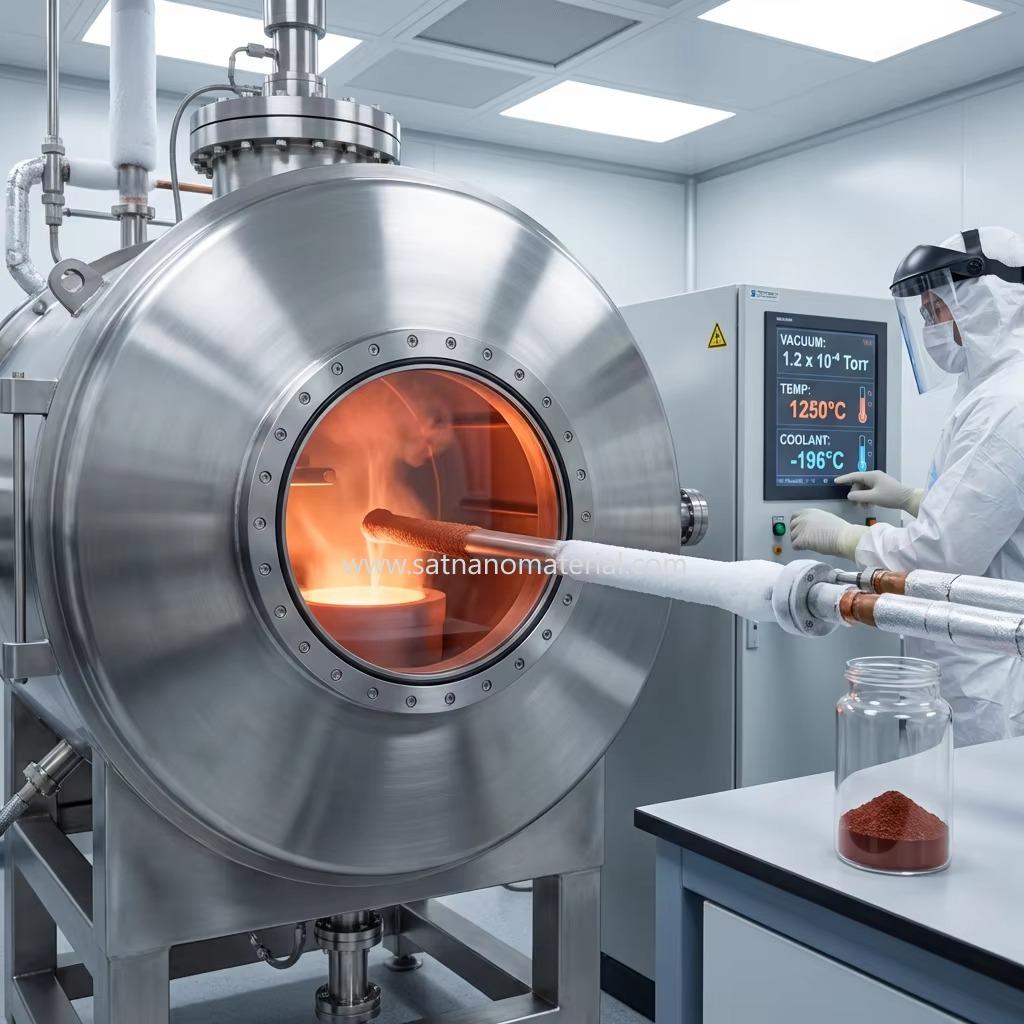
(1) Evaporation condensation method under inert gas

Generally, it is formed by particles with clean surfaces and particle sizes between 1-100 nm under high pressure, which is also necessary for the sintering process of nanoceramics. Various nano solid materials have been successfully synthesized both domestically and internationally using techniques such as inert gas evaporation, including metals and alloys, ceramics, amorphous ionic crystals, and semiconductors.

Yan Hongge et al. studied the changes in metal evaporation rate, yield, particle size, and morphology of ultrafine powders by changing the evaporation process parameters. They designed and researched a preparation device for ultrafine powders, which melted and evaporated the metal in the crucible under Ar gas pressure of 50-1000 Pa using medium frequency induction heating, and captured the powder through a water-cooled solenoid, ultimately obtaining fine copper powder of 180-560 nm.
copper powder
(2) Hydrothermal method

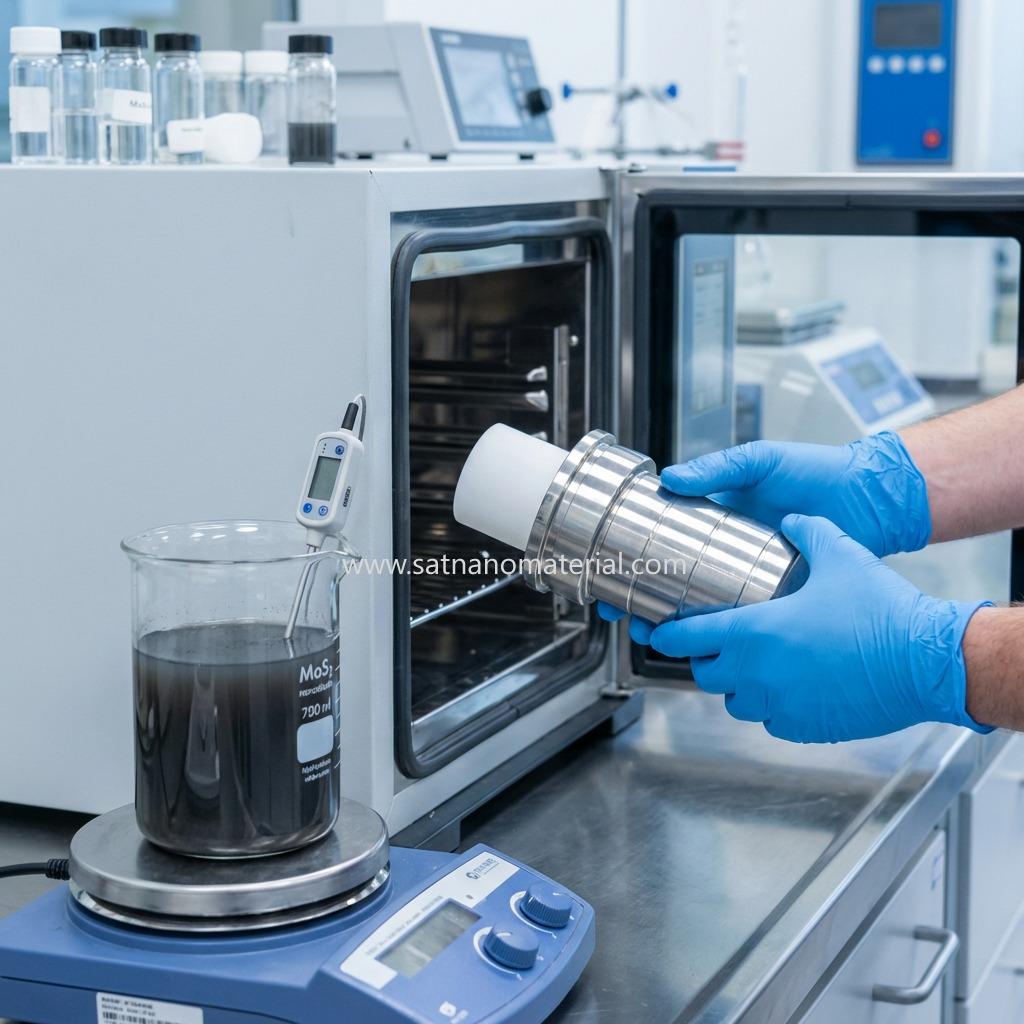
The hydrothermal method is generally used to synthesize nanoparticles in fluid systems such as aqueous solutions or steam under high temperature and high pressure conditions, followed by separation, heat treatment, and other operations. The hydrothermal method is a simple, economical, pollution-free, and energy-saving process suitable for industrial production.

Liang et al. synthesized an amphiphilic molybdenum disulfide nanosheet (KH550-MoS2) by hydrothermal method. The ultra-low concentration of KH550-MoS ₂ nanofluid reduced the IFT to 2.6 mN/m, changed its contact angle from 131.2 ° to 51.7 °, and significantly improved the stability of lotion. Through core displacement experiments, the ultra-low concentration KH550-MoS2 nanofluid can increase oil displacement efficiency by 14% after water flooding.
MOS2 powder
(3) Complex decomposition method

The double decomposition method refers to the method of preparing nanoparticles by reacting easily soluble metal ion salts (such as CaCl2, MgCl2, etc.) with easily soluble salts (such as NH4HCO ∝ or Na2CO ∝, etc.) under appropriate process conditions, at a certain temperature, pH value, and other reaction conditions. In the reaction, by regulating the concentration of reactants, the supersaturation of nanoparticles, and studying factors such as the concentration and type of crystal control agents, nanoparticles with different sizes, concentrated distributions, and diverse morphologies can be obtained.

In recent decades, a large number of scholars have adopted the method of complex decomposition to prepare various methods for preparing nano calcium carbonate. The particle size distribution of nano calcium carbonate particles prepared by the double decomposition method is generally around 20-100 nm. Zhao Lina used the precipitation reaction method of soluble salts and polyacrylic acid as a crystal control agent to prepare butterfly shaped aragonite shaped calcium carbonate particles with special morphology by controlling factors such as temperature and pH value.

(4) Microemulsion method

Two immiscible solvents form lotion under the action of surfactant and precipitate solid nanoparticles from lotion. Chen Liping et al. used the three components of CTAB/cyclohexanol/corresponding salt aqueous solution to form three typical microemulsion systems, namely, O/W, W/O and oil-water continuous two-phase systems. The results indicate that in the W/O system, the nucleation and growth range of BaSOx crystals are limited to water nuclei of fixed size, resulting in 15 nm cubic or rectangular particles; In the oil-water continuous biphasic system, oil-water forms a network structure, resulting in particles with a size of about 700 nm. As the salt concentration gradually increases, the shape of the particles begins to shift from "fishbone spines" to flower shapes; In the O/W system, the particle size is approximately 1 μ m, and as the salt concentration increases, the particle size increases and the morphology changes from flower shaped to "fishbone spine". Different micro lotion systems have different effects on the size and morphology of BaSO ₄ particles.

Ding Yang and others can not only obtain environmentally friendly microemulsion system, but also improve the dispersion of dispersed phase in the microemulsion system by changing the type of cosurfactant, which not only effectively inhibits the growth of CaCO3 particles, but also controls the growth direction of CaCO3 particles, and has a regulatory effect on the size of nano-CaCO3particles.

SAT NANO is a best supplier of nanopowder in China, we can offer metal powder, alloy powder, carbide powder and oxide powder, if you have any enquiry, please feel free to contact us at admin@satnano.com
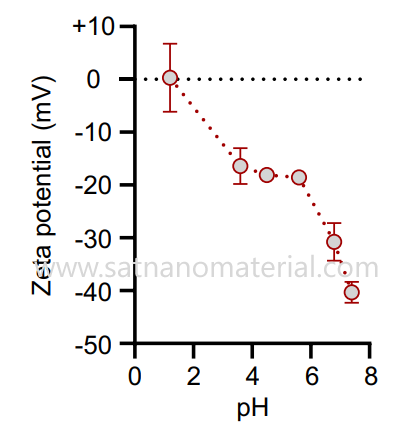
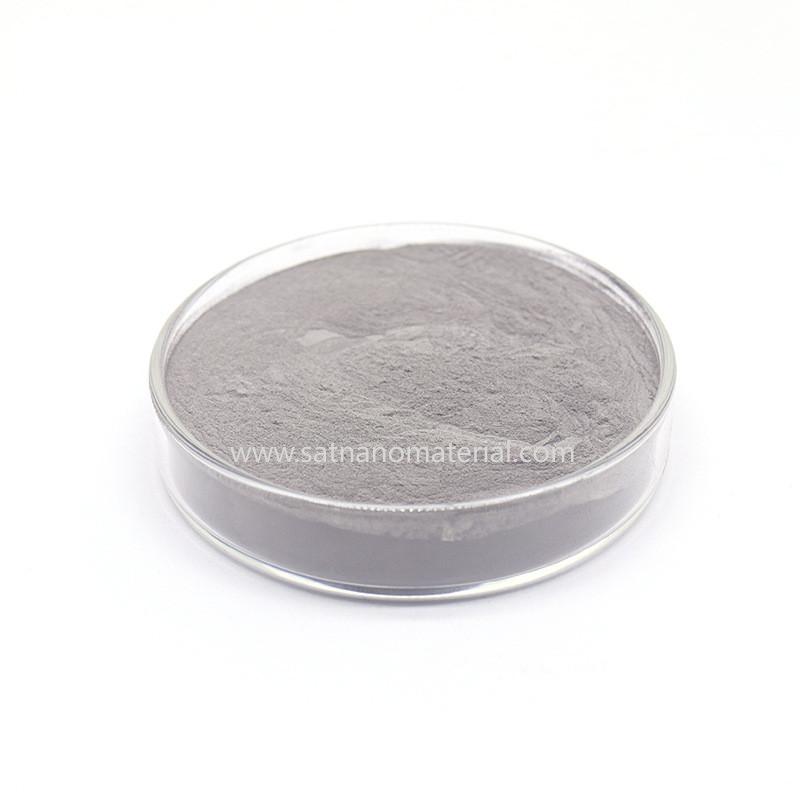
FeNi50 Metal Powder A Stable Iron Nickel Alloy Material Between Structure and Function

FeNi50 metal powder is a medium to high nickel iron-based alloy powder based on the iron nickel binary system with a nickel content of about 50 wt.%. Its typical characteristics include stable austenite structure, excellent thermal expansion matching ability, good toughness, and adjustable magnetic properties. In the material system, FeNi50 is between low nickel structural alloys and high nickel Invar/soft magnetic alloys, and is commonly used in scenarios with high requirements for dimensional stability, thermal cycling reliability, and microstructure stability.

FeNi50 metal powder

What is its chemical composition?


Typical chemical composition (wt.%):
Ni:48.0–52.0%
Fe: Excess
C. S, O, N: Strictly controlled (usually ≤ 0.02%)
The core of composition design is that after the nickel content reaches about 50%, the alloy maintains a stable single austenite phase in the range of room temperature to medium high temperature; Fe Ni atomic sizes are close, forming a continuous solid solution with uniform solid solution strengthening and low risk of structural segregation; Low impurity control significantly improves the microstructure consistency of powders during sintering, cladding, and additive manufacturing processes;


What are its powder characteristics?


Powder morphology: high sphericity, smooth surface, low proportion of satellite powder
Particle size distribution: 15-53 μ m/20-63 μ m (customizable)
Loose density: 4.5-5.0 g/cm ³
Liquidity: ≤ 15 s/50 g (Hall Flow)
Oxygen content: usually ≤ 0.05 wt.%
Good sphericity and low oxygen content enable FeNi50 powder to exhibit stable powder spreading and forming behavior in processes such as laser melting, plasma spraying, and hot isostatic pressing.

What are its mechanical and physical properties?


Typical performance range (related to process status):
Tensile strength: 550-750 MPa
Yield strength: 220-350 MPa
Elongation rate: 30-45%
Hardness: 150-220 HV
Thermal expansion coefficient (20-400 ℃): approximately 9.5-11.0 × 10 ⁻⁶/K
Magnetism: It can manifest as weak or low magnetic states (related to heat treatment). Overall, FeNi50 does not pursue ultimate strength, but emphasizes high plasticity, dimensional stability, and service reliability.


Which fields can it be applied in?

1.Electronic and precision device structural components (thermal expansion matching parts)
2.Intermediate transition layer of composite materials
3.Precision molds and functional structural components
4.Magnetic shielding or adjustable magnetic components
5.Aerospace thermal stability structural components, especially
6.It is suitable for use in working conditions with frequent temperature changes and strict dimensional tolerance requirements.

FeNi50 metal powder is an iron nickel alloy powder material with balanced performance, wide process window, and outstanding structural stability. It provides excellent thermal stability, processing reliability, and long-term service safety without pursuing extreme indicators. It is an important transitional alloy system for connecting structural materials and functional materials. SAT NANO always adheres to promoting industry development through technological innovation and is committed to providing better products and services to global customers. Follow us for more cutting-edge material technology and industrial application solutions!


SAT NANO is a best supplier of Nickel Iron alloy powder in China, we can supply nanoparticle 100nm, and micro particle 1-10um, if you have any enquiry, please feel free to contact us at admin@satnano.com
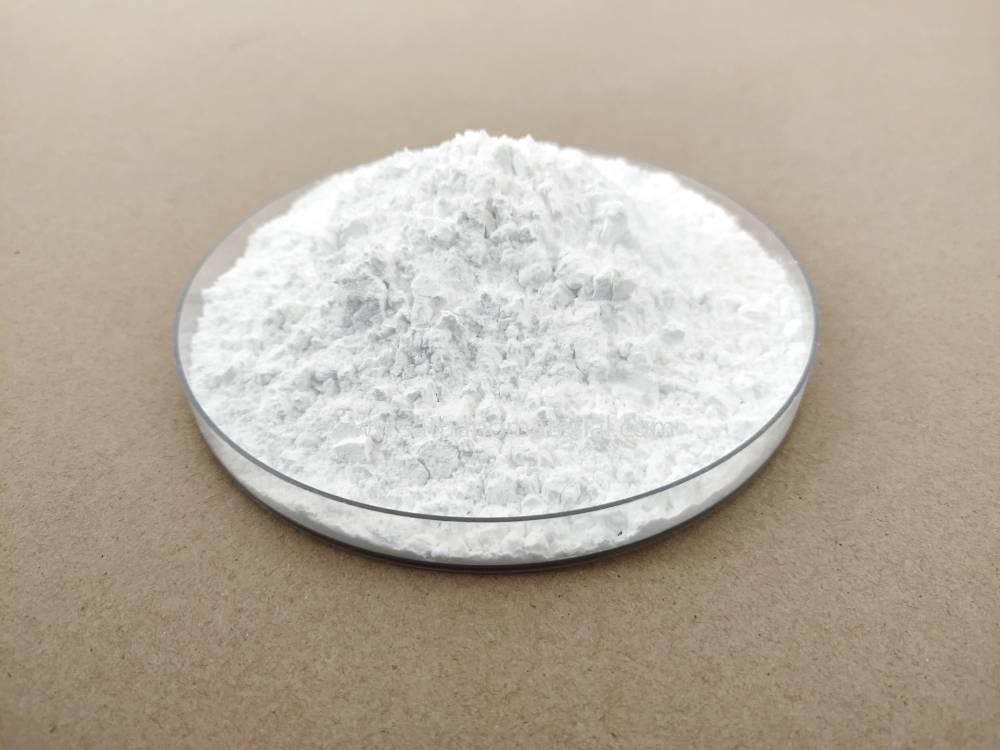
How can surface modification improve the dispersion effect of powders?

Powder surface modification changes the surface state of particles through physical or chemical means, with the core being to break the agglomeration force between particles. When the particle size of the powder decreases to the micrometer or nanometer level, the surface energy sharply increases, and van der Waals forces, hydrogen bonds, and other gravitational forces cause the particles to spontaneously aggregate, forming secondary particles and losing the surface area effect and volume effect of ultrafine powder. Surface modification improves dispersibility from three key dimensions by introducing modifiers: firstly, using coupling agents to construct "molecular bridges" and reduce particle surface energy; The second is to generate spatial hindrance through the coating layer to prevent particle contact; The third is to regulate surface charge, increase electrostatic repulsion, and ultimately achieve uniform dispersion of particles in the medium.


First、 Core mechanism: From molecular action to macroscopic dispersion

1. Reduce surface energy and gravity

The surface of unmodified powders is usually rich in polar groups such as hydroxyl groups, which can easily form hydrogen bonds or electrostatic adsorption between particles. For example, due to the dense hydroxyl groups on the surface, the agglomerate strength of nano zirconia powder can reach several hundred megapascals. By reacting the alkoxy group of silane coupling agent (general formula RnSiX (4-n)) with the hydroxyl group on the surface of the powder, the polar surface can be transformed into a non-polar surface covered with organic groups. The contact angle is increased from hydrophilic 0 ° to hydrophobic 114 ° or more, and the surface energy is reduced by more than 60%. Titanium ester coupling agents anchor the surface of the powder through titanium oxygen bonds, and long carbon chains provide steric hindrance, reducing the dispersed particle size of calcium carbonate in polypropylene from 50 μ m to 2 μ m.


2. Build a spatial obstruction barrier


Physical coating modification forms an elastic shell on the surface of particles through polymer chains, which generates entropy repulsion when particles approach. For example, the MoO3 layer coated with polyacrylic acid can increase the minimum distance between zirconia particles from 5nm to 20nm, effectively preventing agglomeration. Precipitation reaction modification involves the growth of inorganic coatings (such as Al2O3, SiO2) on the surface of particles, and the dispersion is adjusted by controlling the coating thickness (usually 5-50nm). This method increases the coverage power of titanium dioxide in coatings by 30%.

3. Regulating surface charge and Zeta potential


Surfactants form a double layer on the surface of particles by dissociating functional groups, increasing the absolute value of Zeta potential. For example, sodium stearate modified calcium carbonate increased the Zeta potential from 14.1mV to 30.2mV, and electrostatic repulsion improved the stability of the suspension for more than 24 hours. Composite modification (such as aluminum ester+SDS) can synergistically enhance the charge effect and steric hindrance effect, increasing the absolute Zeta potential of silicon carbide powder from 30.5mV to 60mV, and maintaining low viscosity even when the solid content of the slurry reaches 57% (volume fraction).


Second、 Key Technology Paths and Typical Applications

1. Chemical modification: the "molecular bridging" effect of coupling agents

Silane coupling agent: suitable for silicon/hydroxyl containing powders (quartz, kaolin), reacting with resins through functional groups such as amino and epoxy groups. For example, KH-550 treated silicon micro powder can maintain the insulation performance of epoxy sealant at 85 ℃/85% RH environment with a retention rate of>95%.
Titanium ester coupling agent: For calcium carbonate, talc powder, etc., the monoalkoxy type can improve the impact strength of PP composite materials to 45 kJ/m ², while the pyrophosphate type is suitable for powders with a moisture content greater than 0.5%.
Aluminum ester coupling agent: The cost is only 50% of titanium ester, the thermal stability is improved by 20 ℃, and the modified PVC/calcium carbonate system has a notch impact strength of 8kJ/m ².

2. Physical modification: encapsulation and mechanochemistry
Polymer coating: In situ polymerization modification of calcium carbonate with polyvinyl acetate can reduce the melt viscosity of PVC composite materials by 40% and improve processing flowability.
Mechanochemical modification: By high-energy ball milling, the surface lattice of particles is distorted, the active sites are increased, and the reaction efficiency with stearic acid is doubled. The modification time is shortened from 2 hours to 30 minutes.

3. Composite modification: synergistic enhancement strategy
The composite modification of stearic acid titanate (ratio 1:3) was used to treat heavy calcium carbonate, with an activation degree of 99.4% and an oil absorption value reduced to 0.267g/g. The filling amount in PP can reach 30% without reducing the mechanical properties. Salicylic acid and acrylamide are combined to modify silicon carbide, and the isoelectric point is adjusted to pH=12.5 to achieve stable dispersion in alkaline media.


Third、 Effect verification and process optimization

1. Core evaluation indicators


Contact angle and activation index: After modification, the contact angle of the powder is greater than 90 ° (hydrophobic), and an activation index close to 1 indicates complete coating. For example, aluminum ester modified calcium carbonate has a contact angle of 136.3 ° and an activation index of 100%.


Particle size and Zeta potential: The laser particle size analyzer shows a 30% -70% decrease in D50, and a Zeta potential absolute value greater than 30mV is a sign of good dispersion.
Application performance correlation: manifested as a decrease in settling volume in coatings (such as from 4.1mL/g to 1.0mL/g), and an improvement in impact strength in composite materials (such as a 41.97% increase in PP/calcium carbonate system).

2. Key points of the process


Dosage of modifier: 2% -3% for ultrafine powder (particle size<5 μ m) and 0.3% -1.5% for ordinary powder. For example, when using silane coupling agent for nano zinc oxide, a dosage of 2.5% is required to fully cover the surface hydroxyl groups.

Equipment matching: High speed mixers (with a speed of 1000-3000r/min) are suitable for dry modification, while ball mills or sand mills are used for wet modification. The integrated equipment of airflow crushing and modification can increase the discharge rate by 170%.


SAT NANO is a best supplier of nano powder and micro powder in China, we offer oxide powder with surface modification changes if you have any enquiry, please send your enquiry to our email at admin@satnano.com

How to characterize nanoparticle aggregation and dispersion?

1.Characterization of particle size and distribution


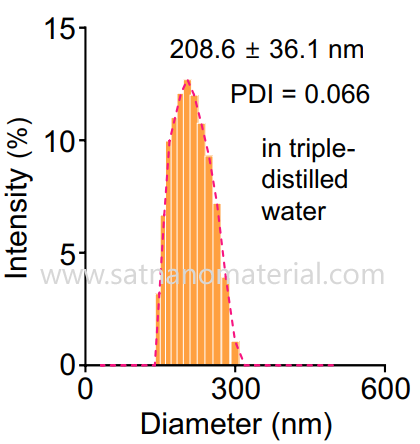
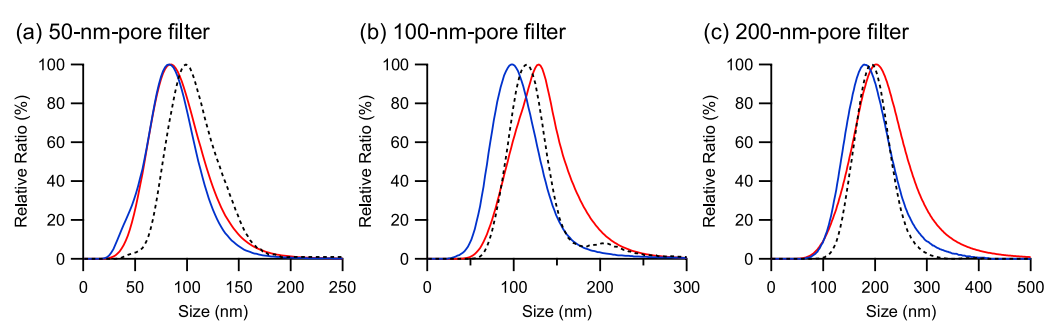
Dynamic Light Scattering (DLS): DLS is one of the most commonly used techniques for measuring the particle size and distribution of nanoparticles in suspensions. It calculates the hydrodynamic diameter of particles by measuring the time-dependent light scattering intensity fluctuations caused by Brownian motion of particles.

DLS can also provide polydispersity index (PDI), which is a dimensionless parameter for evaluating the width of particle size distribution. It is generally believed that a PDI value below 0.3 indicates good dispersion and uniform particle size distribution of the sample; If the PDI value is greater than 0.7, it means that the sample may have severe agglomeration or extremely uneven particle size distribution.

characterize nanoparticle aggregation

Nanoparticle Tracking Analysis (NTA): NTA tracks and records the Brownian motion trajectory of each particle in the field of view in real time through an optical microscope, and then calculates the size of each particle using the Stokes Einstein equation. Compared to DLS, NTA can provide higher resolution particle size distribution information and directly measure particle concentration, which is particularly advantageous for characterizing polydisperse and complex systems.

characterize nanoparticle aggregation

2.Morphological and structural characterization


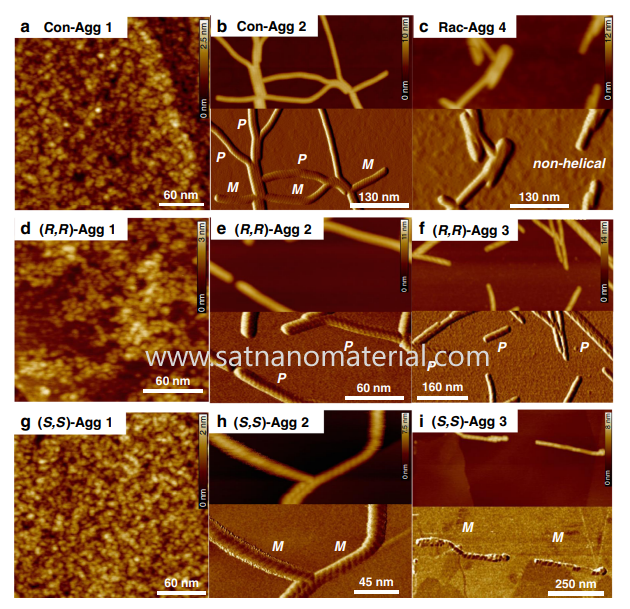
Electron Microscopy (TEM&SEM): Transmission Electron Microscopy (TEM) and Scanning Electron Microscopy (SEM) can provide the most intuitive morphological information of nanoparticles. Through these techniques, researchers can directly observe the size, shape, surface structure, and whether they are in a single dispersed state or forming aggregates of particles. TEM has higher resolution and can even observe the crystal structure of particles. Atomic Force Microscopy (AFM): AFM scans the surface of a sample with a fine probe to obtain three-dimensional morphology images of particles and accurately measure their height and lateral dimensions.

characterize nanoparticle aggregation


Zeta potential measurement: Zeta potential is a core indicator for evaluating the electrostatic stability of nanoparticles. Calculated by measuring the electrophoretic mobility of particles in an electric field. Generally speaking, there is an empirical relationship between the absolute value of Zeta potential and the stability of the system as follows:
Zeta>60mV: Excellent stability.
Zeta>30mV: Good stability.
Zeta>25mV: The system tends to be unstable and prone to aggregation.
characterize nanoparticle aggregation


SAT NANO is a best supplier of nano powder and micron particle in China, we can offer metal powder, alloy powder, carbide powder, oxide powder, if you have any enquiry, please feel free to contact us at admin@satnano.com
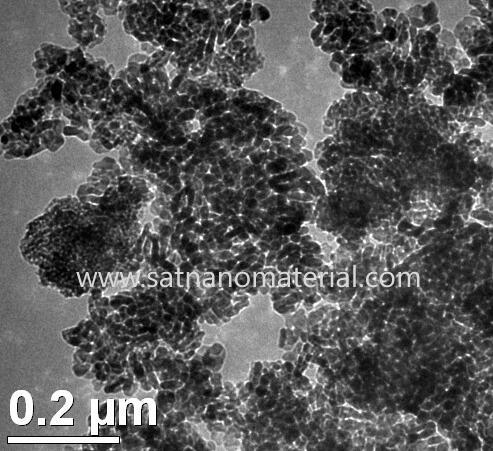


Nano magnesium oxide - multifunctional filling and reinforcement of coating and plastic properties

In today's paint and plastic industry, which pursues high performance, lightweight, and environmental protection, traditional fillers and reinforcing agents have long been unable to meet the demands of the high-end market. The emergence of nano high-purity magnesium oxide, with its triple advantages of "filling+reinforcement+functionalization", brings performance leaps to coating and plastic products, becoming a key material to solve the contradiction between material strength, weather resistance, and processability.


Why choose nano high-purity magnesium oxide? Traditional fillers such as calcium carbonate and talcum powder often only have an incremental effect and can even lead to a decrease in material performance, known as the "performance upgrade password" for filling and reinforcement. Nano high-purity magnesium oxide, with a purity of over 99.9% and nanoscale characteristics, has achieved a breakthrough of "filling without degradation, reinforcement more efficiently".

nano high-purity magnesium oxide

Comprehensive improvement in mechanical performance

Nanoparticles can be uniformly dispersed in the matrix, significantly improving the mechanical properties of materials through interface strengthening effects. Adding 5% -8% nano high-purity magnesium oxide to plastic products can increase tensile strength by 25% -40% and impact toughness by more than 30%, solving the problem of material brittleness caused by traditional fillers. In the coating system, it can form a three-dimensional network structure, improving the adhesion of the coating to level 0 and increasing wear resistance by 50%, making it easy to cope with high-frequency friction scenarios.

Double the ability to withstand weather and corrosion

Its excellent chemical stability endows the material with super strong weather resistance. After adding nano high-purity magnesium oxide to outdoor coatings, the UV aging resistance time is extended to over 3000 hours, and the color difference change Δ E is less than 1.5; In plastic products, the temperature resistance range can be expanded to -60 ℃ -180 ℃, and the service life in humid and hot environments can be extended by 2-3 times, perfectly adapting to harsh scenarios such as automotive exterior and outdoor building materials.


Optimization and upgrade of processing performance

Compared with traditional fillers, nano high-purity magnesium oxide has an extremely low oil absorption value (<20g/100g), which can reduce the amount of additives used in coatings and plastic processing, and lower the viscosity of the system. In plastic extrusion molding, the melt flowability is improved by 15% -20%, and the production efficiency is increased by 20%; In coating preparation, the grinding time can be reduced by 30%, and the storage stability is significantly enhanced, with a settling rate of less than 1% per month.

From laboratory to production line: the 'performance revolution' of multi scenario applications

Nano high-purity magnesium oxide, with its multifunctional properties, has been widely applied in various sub fields of coatings and plastics, becoming a "performance standard" for high-end products

Coatings field: Creating high-performance protective coatings

In industrial anti-corrosion coatings, nano high-purity magnesium oxide works synergistically with anti-corrosion pigments to form a dense passivation film, increasing the salt spray testing time from 500 hours to over 1500 hours. It can be used in heavy-duty anti-corrosion scenarios such as marine engineering and chemical equipment. In building exterior wall coatings, it can endow the coating with self-cleaning function, with a residual stain rate of less than 5% after rainwater erosion, and a 40% increase in stain resistance, keeping the exterior wall clean and beautiful for a long time. In automotive coatings, the addition of nano high-purity magnesium oxide to the topcoat can achieve a glossiness of over 95%, improve clarity by 20%, and significantly enhance stone impact resistance, reducing paint damage.


Plastic field: Empowering high-end product upgrades

In engineering plastics, nano high-purity magnesium oxide can replace some glass fibers for the preparation of automotive engine peripheral components, achieving a weight reduction of 10% -15% while ensuring strength, and raising the heat-resistant deformation temperature to above 180 ℃. In the plastic of wires and cables, the volume resistivity increases by 1-2 orders of magnitude after addition, the flame retardant level reaches UL94 V-0 level, and the weather resistance is improved, which can meet the long-term use needs of outdoor cables.

Originating from three core technological breakthroughs: precise control of surface modification

By surface modification with coupling agents such as silane and titanate, the compatibility between nanoparticles and organic matrix is improved by more than 60%, solving the industry problem of easy aggregation of nanomaterials and ensuring uniform and stable performance.

Accurate control of particle size distribution

By adopting advanced hydrothermal synthesis technology, the particle size can be precisely controlled within the range of 10-50nm. The particle size distribution can be customized according to the needs of different coating and plastic systems, maximizing the nano effect.

In the increasingly competitive paint and plastic industry, material performance has become the core competitiveness of product differentiation. Nano high-purity magnesium oxide not only reduces raw material costs (replacing some expensive resins or functional additives), but also endows products with high added value, helping enterprises seize market share in the high-end market.
From industrial anti-corrosion to automobile manufacturing, from building decoration to medical devices, nano high-purity magnesium oxide is reshaping the performance boundaries of coating and plastic materials with the advantage of "small addition, big change". Now, join this material upgrade revolution and make your products comprehensively leading in performance, environmental protection, and cost!

SAT NANO is a best supply of MgO nanopowder in China, we can offer 50nm, 100nm and 1-3um, if you have any enquiry, please feel free to contact us at admin@satnano.com
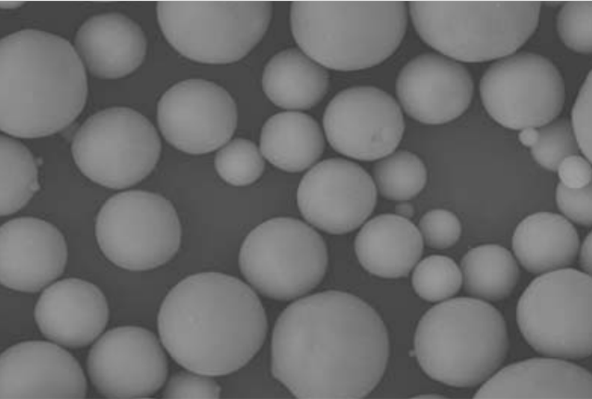
Spherical alumina an important position at the boundary of thermal conductive fillers

With the increasing demand for high thermal conductivity materials, filled thermal conductive polymer composites have good application prospects. The performance of thermal conductive composite materials largely depends on the selection of thermal conductive fillers. Aluminum oxide (Al2O3)is a common ceramic filler with high hardness and good thermal conductivity, and is a commonly used choice to improve the thermal conductivity of materials.

Aluminum oxide


1.Unique Advantage: The spherical structure endows a unique advantage


Excellent thermal conductivity. Aluminum oxide is an inorganic non-metallic material with excellent thermal conductivity, and its spherical structure further optimizes its thermal conductivity path. In composite materials, spherical particles can form a more continuous and smooth thermal conductivity network, thereby reducing thermal resistance. When heat is transferred inside the material, the contact area between spherical particles is relatively large and distributed more evenly, avoiding heat transfer interruptions caused by irregular shapes, large edges, or stacking gaps, thereby significantly improving the overall thermal conductivity of the composite material.

Excellent dispersibility. The spherical structure endows alumina powder with good fluidity and dispersibility. Compared with irregularly shaped alumina powders such as flake, needle, and block powders, spherical particles have less friction between each other and are more easily evenly distributed in the matrix material, thereby reducing the occurrence of aggregation. This uniform distribution ensures the continuity and consistency of the thermal conductivity network in composite materials, avoiding thermal conductivity fluctuations caused by local particle aggregation.

Good chemical stability and high temperature tolerance. Spherical alumina fillers have strong chemical stability and are not prone to chemical reactions with surrounding media. In acidic and alkaline environments, humid environments, or long-term use, its physical and chemical properties remain stable and will not degrade due to corrosion, oxidation, or other factors, ensuring the long-term reliability of thermal conductive materials. At the same time, it has excellent high-temperature resistance and can maintain structural integrity and thermal conductivity in high-temperature environments.


2. Preparation process: precise shaping from "powder" to "sphere"


The excellent performance of spherical alumina lies in its precise spherical structure and controllable particle size distribution, which cannot be separated from mature preparation processes. At present, the preparation methods of spherical alumina powder mainly include: flame melting method, jet method, template method, aerosol decomposition method, sol gel method, hydrothermal method, dropping ball method and ball milling method.


(1) Spray method
The preparation of spherical alumina by spray method uses a high-temperature heat source to heat treat the precursor, and then utilizes surface tension to spheroidize the product. The spray method is divided into spray pyrolysis method, spray drying method and spray melting method. The jet melting method uses radio frequency induced plasma to treat solid alumina into a molten state, and then uses jet high-speed cooling to obtain spherical alumina. This method mainly performs spheroidization treatment on irregularly shaped alumina particles. After treatment, the alumina has high sphericity, but it is difficult to control the particle size scale, which ranges from nanometer to micrometer.

(2) Flame melting method
Currently, flame melting method is commonly used in the market to prepare spherical alumina. Compared with the "jet melting method" with a similar name, the flame melting method directly sprays irregularly shaped alumina powder into the flame, causing the alumina powder to melt into balls in the flame. The process is simple and has more advantages in cost control than the plasma flame spraying method. The products produced by balling have high thermal conductivity, good sphericity, and controllable particle size

(3) Template method
The preparation of spherical alumina by template method first requires a core template, which is wrapped with a layer of shell structured microspheres outside the core template. Then, the core template is removed by physical and chemical methods, and finally hollow microspheres are obtained. According to the characteristics and limitations of the template itself, it is generally divided into hard template method and soft template method

(4) Aerosol decomposition method
The preparation of alumina spheres by aerosol decomposition method mainly uses liquid aluminum alkoxide as raw material. The aluminum alkoxide is first gasified by high-temperature hydrolysis, and then dried or treated at high temperature to form spherical alumina powder. The particle size prepared by this method is in the nanometer range and has not yet been industrialized.

(5) Sol gel method
The sol gel method is to obtain aluminum oxide powder through alcohol washing, aging and heat treatment from the precursor formed by inorganic salt water hydrolysis or polymerization. Due to the use of organic solvents and surfactants in this method, the sphericity of the obtained alumina powder is close to 100%, and the particle size is in the micrometer or millimeter range. The disadvantage of this method is that it is not conducive to the separation and drying of alumina powder.

(6) Hydrothermal method
The hydrothermal method for preparing spherical alumina is to use aluminum salts as raw materials, dissolve and recrystallize the substances in a high-temperature and high-pressure reaction environment, and grow them into spherical alumina particles. The alumina powder produced by hydrothermal method has high purity, controllable shape, and no agglomeration, but requires high temperature and high pressure environment, which is highly dependent on equipment.


(7) Drip ball method
The first step in preparing spherical alumina by droplet method is to prepare pure alumina sol. Starting from acidic alumina sol, the alumina sol is dropped into the oil layer, and the gelling agent is HMTA (hexamethylenetetramine) or a mixture of urea and HMTA. After aging, drying, and calcination, spherical alumina is formed. The droplet method is mainly used to prepare spherical alumina with a particle size of millimeter or larger. During the operation, hot oil is required and the sol must be kept dripping for a long time.


(8) Ball milling method
The ball milling method is to put the raw materials into a ball mill, grind and stir them with a grinding agent, and extract large particles into ultrafine powder. Mechanical ball milling can be used to prepare spherical alumina products with different particle sizes. This method has simple and reliable equipment, is easy to mass produce, and has great development prospects in the future market.

As a core material in the field of thermal conductive fillers, spherical alumina plays an irreplaceable role in the development of high-end industries due to its unique structural advantages, excellent performance, and wide application scenarios.


SAT NANO is a best supplier of spherical alumina powder in China, we can offer nano particle and micro particle, if you have any enquiry, please feel free to contact us at admin@satnano.com

Three mainstream technological directions for replacing conductive silver paste

The development of conductive pastes began in the 1950s. In 1954, British scholar C.F. Powell first reported the method of preparing conductive pastes by suspending silver particles in organic solvents, laying the technical foundation. Subsequently, in the 1960s and 1970s, with the rise of thick film hybrid integrated circuits, precious metal conductive pastes such as silver paste and gold paste gradually achieved initial industrialization and were mainly used in the aerospace and military industries; Taking photovoltaic silver paste raw materials as an example, silver powder accounts for over 90% of the cost, and the purchase price of silver powder is greatly affected by market silver prices, with significant fluctuations Since 2020, driven by high silver prices and the demand for cost reduction, silver coated copper paste has been introduced and applied in HJT battery production lines. Breakthroughs have been made in pure copper paste and electroplated copper technology, and mass production has been launched. The silver content has been significantly reduced, and the silver free process has significantly accelerated.


At present, the three mainstream technological directions for replacing conductive silver paste are: silver coated copper paste, electroplated copper process, and pure copper/aluminum paste. They aim to solve the problem of high silver prices and have entered the industrialization stage in fields such as photovoltaics and LED packaging.

The core differences between these three technological routes are as follows:
1. Silver in Copper Technology Silver in Copper is currently the most mature and rapidly industrializing copper replacement solution. Its core is the core-shell structure of copper core and silver shell, partially replacing silver with copper. By adjusting the doping ratio of silver and copper, the slurry cost can be effectively reduced while ensuring the photoelectric conversion efficiency, and the cost reduction can reach more than 30%. However, due to the easy oxidation of copper powder in high temperature environments, the application of this scheme has obvious limitations and is only suitable for low-temperature silver paste systems in crystalline silicon heterojunction (HJT) photovoltaic cells and stacked photovoltaic cells.

silver coated copper powder


The emergence of silver coated copper powder is mainly aimed at significantly reducing costs while maintaining conductivity close to pure silver. SAT NANO technician Dana obtained the following comparative data based on experiments with conductive silver powder and conductive silver coated copper powder.

 Here is a comparison of the key performance parameters between the two:

Technical Parameter
Conductive Silver Powder (Pure Ag)
Conductive Silver-coated Copper Powder (Ag-coated Cu)
Comparison Summary
Volume Resistivity
10−5∼10−4 Ω⋅cm
10−4∼10−3 Ω⋅cm
Silver is slightly superior, but Ag-coated Cu meets most industrial requirements.
Stability / Reliability
Excellent; highly resistant to oxidation.
High; depends on the density and integrity of the silver coating.
Pure silver offers superior long-term electrical stability.
Density
Approx. 10.5 g/cm310.5 g/cm3
Approx. 8.9∼9.1 g/cm38.9∼9.1 g/cm3
Ag-coated Cu is lighter, providing a higher filling volume per unit mass.
Silver Content (Ag %)
99.9%∼100%
3%∼30% (Commonly 10%∼20%)
Ag-coated Cu significantly reduces the consumption of precious metals.
Cost / Price
High (Highly sensitive to silver market fluctuations).
Approx. 1/3∼1/51/3∼1/5 of Pure Silver Powder.
Ag-coated Cu has a definitive cost advantage.


2. Copper electroplating technology is based on the principle of electrolytic deposition, which can utilize the transparent conductive layer and edge guide structure pre-set on both sides of the photovoltaic cell to synchronously prepare metal electrodes on the front and back of the cell, without the need for high-temperature sintering and single-sided step-by-step processing. It has natural double-sided metal compatibility and can fully utilize the performance advantages of HJT battery double-sided power generation; At the same time, copper plated electrodes have significantly better conductivity and contact characteristics with transparent conductive oxide (TCO) layers than traditional silver grid lines. They are made of pure copper material and have a dense structure without voids, with a much lower electrical resistivity than low-temperature silver paste. This can effectively reduce electrode ohmic losses and series resistance, and are tightly combined with TCO transparent conductive films without contact holes, which can reduce contact resistance, improve electrode adhesion and carrier transport collection efficiency; In addition, copper plated electrodes can achieve ultrafine line widths of 15-20 μ m, with better aspect ratios and good plasticity. Compared with silver grid lines printed with 30-40 μ m, they can significantly reduce shading losses. Combined with low resistivity characteristics, they can effectively improve the generation and collection efficiency of photo generated carriers, and increase the conversion efficiency of heterojunction photovoltaic cells by 0.3% to 0.5%. At present, the copper electroplating process still faces certain difficulties in mass production. Compared with traditional screen printing, the electroplating copper process has a longer process and is prone to situations such as grid detachment and oxidation. Moreover, due to the complex process flow, the initial equipment investment cost is relatively high. On the other hand, the electroplating solution contains a large amount of harmful chemicals, which poses environmental compliance risks and to some extent restricts its large-scale promotion. Currently, the industrialization of copper electroplating technology still needs time.


3. Pure copper paste is the most ideal silver free cost reduction solution in the medium to long term, which can completely replace silver paste and has the greatest potential for cost reduction. However, its large-scale application still faces core technical challenges. Due to the active chemical properties and high specific surface energy of copper powder, it is prone to contact with air during preparation and battery production to form insulating oxide films, resulting in a decrease in the conductivity of the slurry. Therefore, the technological breakthrough in antioxidant treatment of copper powder has become the key to the industrial application of copper slurry. At present, pure copper paste products for low-temperature and high-temperature routes are still in the research and development testing stage.

silver coated copper powder


SAT NANO is a best supplier of silver powder, silver coated copper powder in China, we can supply different partcile size, if you have any enquiry, please feel free to contact us at admin@satnano.com

Transmission Electron Microscopy (TEM) Sample Requirements and Preparation Methods

In transmission electron microscopy (TEM) analysis, the primary and crucial step in obtaining a high-quality image that can be interpreted reasonably is sample preparation. Inappropriate sample thickness, poor conductivity, or damage introduced during sample preparation can directly lead to abnormal electron beam penetration, image distortion, and even sample scrapping.

TEM sample requirements
① The sample should generally be a solid with a thickness less than 100 nm;
② The sample will not be sucked out and attached to the pole shoe under the action of electron microscopy electromagnetic field;
③ The sample can maintain stability in high vacuum;
④ If the sample does not contain moisture or other volatile substances, it should be dried first.


TEM sample preparation method

There are roughly four types of TEM specimens used for material research:

1.Powder particles
2.Block samples, including ceramics, metals, etc
3.Biological samples
4.A replica film obtained by replicating the surface or fracture morphology of a material using a replication method.

First. Preparation of powder samples

Dispersion: Use an ultrasonic disperser to disperse the powder to be observed into a suspension in a solution (without interacting with the powder). Drip a few drops onto the electron microscope copper mesh covered with carbon support film using a dropper. After drying (or absorbing with filter paper), it becomes a powder sample for electron microscopy observation.


Points to note

① Selection of Copper Mesh

Ordinary carbon support film: suitable for low magnification observation, the carbon film lining will be more obvious at high magnification
Microgrid: The sample can be mounted at the edge of the hole, and the part inside the hole can be observed without a back bottom to improve the contrast of imaging
Ultra thin carbon film: ultra small particles such as quantum dots; two-dimensional materials
Dual network support film: used for magnetic samples to prevent them from adsorbing onto the pole shoes of transmission electron microscopy;

② Selection of solvents

Polarized samples: dispersed in water and ethanol
Non polar sample: acetone dispersion

③ Other precautions

Ultrasonic dispersion time: Ultrasonic power is more important than time, and samples should be prepared immediately after ultrasonic dispersion. For samples with severe agglomeration, solvents can be added for dispersion without damaging the sample;
Block sample: If the effect of sintering and grinding is not good, it is recommended to use the block sample preparation method;
Magnetic samples: require dual network support film or pre demagnetization.


Second. Preparation of bulk samples

The preparation of bulk samples usually involves electrolytic double spraying, ion thinning FIB、 Prepare thin film samples below 100nm using ultra-thin or frozen slicing, and then conduct testing.

① Electrolytic dual spray

The electrolytic double spray method has a simple process, easy operation, and low cost; The central thin area has a large range, making it easy for electron beams to penetrate; But it is required that the sample is conductive, and once it is made, the sample must be immediately removed and rinsed multiple times in distilled water, otherwise the electrolyte will continue to corrode the thin area, damage the sample, and even render the sample useless. If the sample cannot be observed under an electron microscope in a timely manner, it should be stored in glycerol, acetone, or anhydrous alcohol.


② Ion thinning

Principle: Ar ion beam bombards the sample at a certain inclination angle (5-30) to thin it;
Object: brittle materials such as ceramics and intermetallic compounds, which require a long time, usually around ten hours or even longer, and have low work efficiency;
Applicable conditions: The ion thinning method can be applied to various materials; The temperature is high during the thinning process and is not suitable for heat sensitive materials.

Focused lon beam (FIB) is a microscopic cutting instrument that uses an electric lens to focus an ion beam into a very small size. At present, the ion beam used in commercial systems is a liquid-phase metal ion source, and the metal material is gallium (Ga), because gallium has a low melting point, low vapor pressure, and good oxidation resistance; The use of an external electric field (Suppressor) on a liquid metal ion source can form small tips of liquid gallium, and a negative electric field (Extractor) can be used to pull the gallium at the tip, resulting in the emission of a gallium ion beam. The beam is focused by an electric lens, and the size of the ion beam can be determined by a series of aperture changes. After a second focusing, it is directed to the surface of the specimen, and physical collision is used to achieve the purpose of cutting.


④ Ultra-thin slice

Ultrathin sectioning is a section used for electron microscopy observation. Due to the low ability of electrons to penetrate tissues, ultra-thin slices (generally 80-100nm thick) are required for electron microscopy observation, mainly for the preparation of biological samples, polymer materials, micro nano particles, rubber and other materials.


SAT NANO is a best supplier of nanopowder and micron powder in China, we not only supply good quality product and production information, but also supply best aftersale service, if you have any enquiry, please feel free to contact us at admin@satnano.com
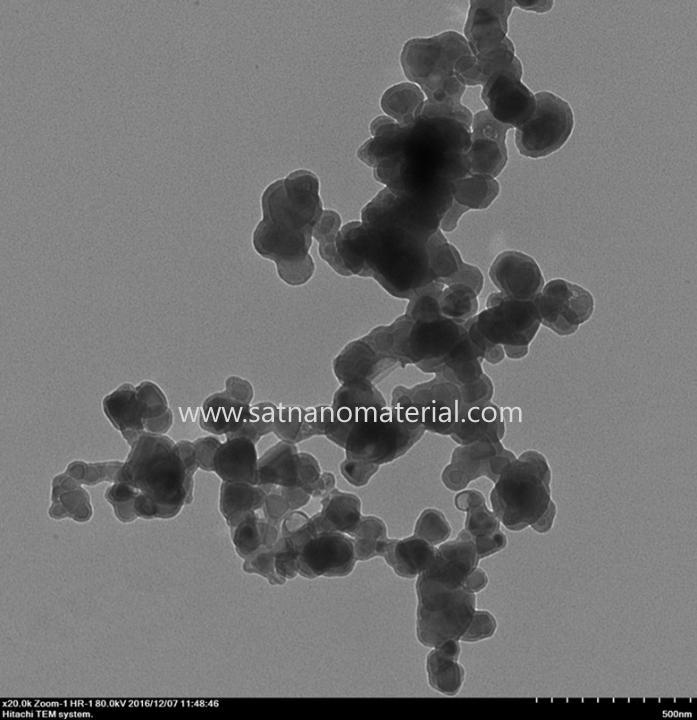


What is the aggregation and dispersion of nanoparticles

What are nanoparticles?


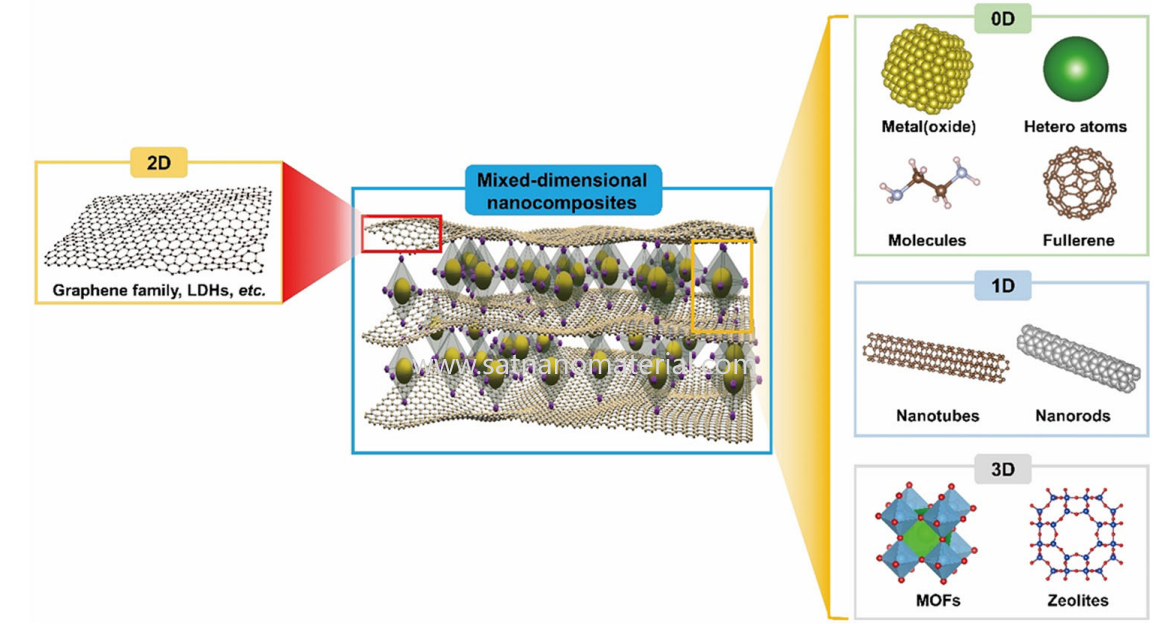
Nanoparticles (NPs) are typically defined as granular materials with at least one dimension at the nanoscale (1-100 nm) in three-dimensional space. From the dimensions of structure and morphology, nanoparticles can be classified into zero dimensional nanomaterials (0D nanomaterials), corresponding to one-dimensional (1D) and two-dimensional (2D) nanomaterials. 0D nanoparticles are subject to size constraints in three-dimensional space, with typical representatives including metal nanoparticles, oxide nanoparticles, sulfide nanocrystals, etc. In addition, based on their composition, nanoparticles can be further subdivided into single component structures (such as pure metals, single oxides) and multi-component structures (such as core-shell structures, alloy nanoparticles, heterostructures, etc.), and their structural complexity directly affects their functional performance.

powder aggregation


What is nanoparticle aggregation and dispersion?


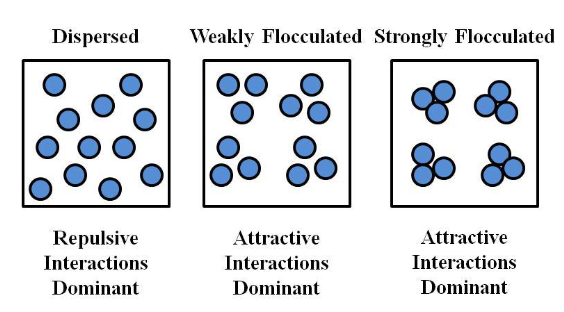
Nanoparticle aggregation: refers to the phenomenon of primary nanoparticles forming larger particle aggregates through physical or chemical forces, usually manifested as size growth and a decrease in specific surface area. Agglomeration can be divided into two categories: reversible agglomeration and irreversible agglomeration. The former can be redispersed through external intervention such as ultrasound or solvent adjustment, while the latter is often caused by consolidation, sintering, or chemical bonding, making it difficult to restore the original dispersed state. Nanoparticle dispersion: refers to the uniform distribution of nanoparticles in liquid, solid, or gas media, maintaining effective spacing between particles, avoiding contact aggregation, and maintaining their monodispersity and high specific surface area state. Effective dispersion is a prerequisite for unleashing its nano effect.

powder aggregation

SAT NANO is a best supplier of nano powder and micro powder in China, if you have any enquiry of nanoparticle aggregation and dispersion, please feel free to contact us at admin@satnano.com