Which powders need to be modified and what is the function of surface modification?

Why modify the powder?


Inorganic powders have hydrophilic and polar surfaces, but poor compatibility with organic matrices (plastics, rubber, resins). Direct use can lead to poor performance, so modification is necessary.
(1) Improve dispersibility and prevent agglomeration. Inorganic powders with a large specific surface area are prone to agglomeration, which can lead to defects and a decrease in material strength and poor appearance. The modified powder is uniformly dispersed without clumping.
(2) Improve compatibility with organic matrices. Powder surfaces are hydrophilic (polar), while plastics, rubber, and resins are hydrophobic (non-polar). Direct mixing results in poor interfacial bonding, similar to "sand mixed with butter". After modification, the surface of the powder becomes lipophilic and tightly adheres to the resin.
(3) Enhancing interfacial adhesion and improving mechanical properties, the modified powder forms chemical bonds or strong adsorption with the resin, which can significantly improve tensile strength, impact strength, bending strength, hardness, wear resistance, etc.
(4) Reducing the oil absorption value and improving the processing flowability of unmodified powder can lead to a significant increase in resin viscosity, processing difficulties, and inability to increase the amount of filler added. After modification, the oil absorption value decreases, allowing for high filling and cost reduction.
(5) Improve weather resistance, water resistance, and corrosion resistance to reduce powder water absorption, enhance coating acid and alkali resistance, and improve material aging and yellowing resistance.
(6) Improve electrical and thermal performance, enhance insulation, improve thermal conductivity (such as modifying thermal conductive fillers), and improve flame retardant efficiency (magnesium hydroxide/aluminum).
(7) Improve surface gloss, hand feel, color, commonly used in coatings and plastics to make products more delicate, shiny, and have a better hand feel.

(8) To prevent powder oxidation, self ignition, and reaction, especially for metal powders (aluminum powder, zinc powder), modification can prevent oxidation and self ignition, and improve storage stability.


Which powders need to be modified?


1. Functional powders: titanium dioxide (titanium dioxide), iron oxide red, iron oxide yellow, iron oxide brown, iron black, pearlescent mica, white carbon black, carbon black, nano zinc oxide, hollow glass microspheres, calcium sulfate whiskers, calcium carbonate whiskers, active calcium silicate, flake zinc powder, aluminum tripolyphosphate anti rust pigment, etc;
2. Flame retardant powders: magnesium hydroxide, aluminum hydroxide, etc;
3. Ceramic powders: alumina, zirconia, aluminum nitride, silicon nitride, silicon carbide, barium titanate, strontium titanate, magnesium titanate, zinc titanate, cordierite, magnesium olivine powder, etc;
4. Magnetic powders: neodymium iron boron magnetic powder, strontium ferrite/barium ferrite, iron silicon aluminum, carbonyl iron powder and other soft magnetic powders, nano iron oxide, etc;
5. Carbon materials: graphite, graphene powder, carbon fiber powder, carbon nanotubes, etc;
6. New energy powders: ternary materials, lithium iron phosphate, lithium cobalt oxide, natural/artificial graphite, silicon-based negative electrode, lithium titanate, boehmite, lithium hexafluorophosphate, expandable graphite, zinc borate, silver powder, etc;
7. Metal powders: aluminum powder, zinc powder, copper powder, iron powder, etc;
8. Cosmetics ingredients: silicon dioxide, titanium dioxide, zinc oxide, iron oxide red, iron oxide yellow, iron oxide black, chromium green, ultramarine, manganese violet, hydroxyapatite, etc;
9. Thermal conductive fillers: gold powder, silver powder, copper powder, tin powder, metal nanowires, aluminum oxide, hexagonal boron nitride, silicon carbide, zinc oxide, nanodiamonds, etc.

SAT NANO is a supplier of ceramic powders including alumina, zirconia, aluminum nitride, silicon nitride, and silicon carbide. We can provide surface treatment for these products. Surface modification technology is a key means to improve the performance of ceramic powders. Regarding the five ceramic powders you mentioned, key properties such as strength, toughness, hardness, and hydrolysis resistance of the final ceramic products can be significantly improved through processes such as coupling agent modification and surface coating.
The following is a summary of the specific enhancement data in terms of mechanical and process properties of these five ceramic powders after surface modification:

Ceramic powder Surface modification methods
solid content
Enhanced data (compared to unmodified samples)
aluminum dioxide Silane coupling agent A151 modification
- • Hardness: 85.5 HD
• Tensile strength: 52.36 MPa
• Impact strength: 10.12 kJ/m ²


Surface coating of aluminum chloride/aluminum based complex
- Stamping mechanical strength: increased from a maximum of 35 MPa to 51 MPa (an increase of approximately 45.7%)
zirconia
Polymer dispersant KOS110 modification
46.5%
Vickers hardness: 1814 HV
• Shrinkage rate: 21.9%

Laser microtexture+silane modification
- Surface water contact angle: from hydrophilic to 159.6 ° (superhydrophobic)
aluminum nitride
Surface esterification reaction of lauric acid (LA)
- Hydrolysis resistance: The modified powder is placed in water at 40 ℃ for 72 hours, with a stable pH value below 9 and no phase transition occurring
silicon nitride
Low melting point glass powder coating
20% • Bending strength: increased by up to 14.3%
• Fracture toughness: up to 31.1% improvement

Hydroxylation+silane coupling agent KH560 modification
50% Bending strength: (407.95 ± 10.50) MPa
Fracture toughness: (4.38 ± 0.45) MPa · m ^ {1/2}
silicon carbide
Microwave plasma modification (MPM)

Surface hardness: significantly reduced from 37.04 GPa to 4.71 GPa

Analysis of Modification Effect and Mechanism


In addition to direct data augmentation, different modification methods can also solve specific problems from a mechanistic perspective:

Aluminum oxide (Al2O3) - strength and interface compatibility: By coating the surface with aluminum chloride, the pore structure of the aluminum oxide matrix can be effectively filled, increasing the density and thus increasing the stamping mechanical strength from 35 MPa to 51 MPa. By using silane coupling agents for modification, the interface bonding between nano alumina and resin matrix can be improved, making it a reinforcing phase that significantly enhances the hardness and tensile strength of photosensitive resin.

Zirconia (ZrO2) - High hardness and functionality: By modifying ZrO ₂ powder with polymer dispersants, high solid content and low viscosity 3D printing slurries can be prepared. After sintering, the Vickers hardness of the ceramic can reach 1814 HV, demonstrating excellent mechanical properties. In addition, through laser chemical treatment, micro nano structures can be constructed on its surface and low surface energy substances can be grafted to obtain a superhydrophobic surface with a contact angle of up to 159.6 °, expanding its applications in self-cleaning and other fields.

Aluminum Nitride (AlN) - Hydrolytic Stability: AlN is highly reactive with water, leading to a decrease in performance. Using lauric acid for surface modification, its carboxyl group undergoes esterification reaction with the hydroxyl group on the AlN surface, forming a dense coating layer (with a thickness of about 12.2-16.1 nm). This barrier can effectively prevent the diffusion of water molecules, keeping the pH value of the modified powder below 9 even after being placed in water for 72 hours, greatly improving its storage and processing stability.

Silicon nitride (Si3N ₄) - comprehensive mechanical properties: By coating modification with low melting point glass powder, the glass phase formed during sintering can refine the grain size, and the fracture toughness can be increased by up to 31.1% through toughening mechanism. The modification of silane coupling agent KH560 can improve the compatibility between powder and resin, reduce the viscosity of the slurry, and achieve a solid content of 50 vol%. At the same time, the flexural strength after sintering exceeds 400 MPa.

Silicon carbide (SiC) - improved processing performance: The extremely high hardness of SiC makes it difficult to process. By microwave plasma modification, a relatively soft SiO2 modified layer can be generated on the surface of SiC, causing its surface hardness to drop sharply from 37.04 GPa to 4.71 GPa, thereby changing the material removal method from brittle fracture to plastic removal, greatly improving the efficiency and surface quality of subsequent polishing (roughness Ra can reach 0.31 nm).


From the above data, it can be seen that the surface modified products provided by SAT NANO have a significant increasing effect. If you have any enquiry, please feel free to contact us at admin@satnano.com

Why do nanoparticles aggregate and disperse

Why do nanoparticles aggregate?

1.Surface free energy driven mechanism


Nanoparticles have a larger specific surface area and unsaturated surface atoms, leading to an increase in surface free energy. Multi particle contact can reduce the total surface area, release interfacial energy, and thus lower the system's free energy. This trend of energy minimization is the intrinsic thermodynamic driving force behind the spontaneous agglomeration of particles and is a common source of agglomeration at the nanoscale.
nanoparticles aggregate


2.Static electricity and electrical double-layer instability


The electric double-layer formed by charged particles can provide a stable dispersion state of electrostatic repulsion. When the pH approaches the isoelectric point or the ionic strength increases, the bilayer is compressed, the repulsive force decreases, and the attractive potential energy between particles dominates, leading to agglomeration. The stability of this potential barrier determines the anti aggregation ability of the system.

nanoparticles aggregate


3.The influence of solvent medium action


Particles in solution rely on solvation shell to achieve interface stability. If the solvent has weak polarity and poor affinity, it is difficult to form an effective solvation layer, which increases the direct contact between particles, enhances van der Waals forces, and triggers agglomeration. Therefore, the physical and chemical properties of solvents directly affect the dispersion state of particles.


4.Chemical binding aggregation mode


Particles with high reactivity can form stable clusters through hydrogen bonding, coordination, or covalent bonding of functional groups such as hydroxyl and carboxyl groups on their surfaces. This chemical bonding makes aggregation irreversible and difficult to physically dissociate. This process is based on the chemical reactivity of surface energy states and functional groups.

nanoparticles aggregate


Why are nanoparticles dispersed?

1. Establishing a potential energy barrier through electrostatic repulsion

The surface charge of particles will form an electric double layer structure in liquid, and when two particles approach, electrostatic repulsion will be generated between the electric double layers. This repulsive effect can build a potential energy barrier between particles, effectively suppressing aggregation caused by short-range attraction. If there is a sufficiently high potential barrier in the total potential energy of the system, the particles are in a dynamically stable state. This mechanism relies on charge density, dielectric constant, and ionic strength, and is a common stable basis for water-based colloids.

nanoparticles aggregate

2.Space steric hindrance effect enhancement interval


The steric hindrance effect is generated by the adsorption or grafting of polymer segments on the surface of particles. When particles tend to approach, these molecular structures generate conformational compression and repulsion forces, preventing particle contact.
This mechanism does not rely on surface charge and is suitable for high ionic strength or non-polar systems. Spatial hindrance provides a physical barrier and is one of the most common dispersion mechanisms in polymer coated or surfactant systems, particularly evident in surface modified particles.

nanoparticles aggregate


3.Solvation shell impedes contact


When particles form a stable solvation layer with solvent molecules, this layer provides significant energy barriers when particles approach, preventing direct contact between particles. The thickness and stability of the solvation layer depend on the polarity, hydrogen bonding ability, and affinity with the particle surface of the solvent. If the contact between particles needs to overcome the desorption energy of the solvation layer, this energy barrier can effectively reduce the probability of agglomeration and is an important dispersion guarantee mechanism under non electric repulsion conditions.
nanoparticles aggregate


4.Surface functionalization enhances chemical stability


Surface functionalization can introduce charge, spatial structure, or hydrophobic regulatory factors to enhance particle repulsion or improve interfacial compatibility, thereby improving dispersion stability. By grafting ligands, polymer chains, or functional groups, the surface can achieve a dual mechanism of electrical repulsion and spatial protection, making it difficult for particles to approach and form aggregates. This method is widely used in systems such as metal oxides and quantum dots, and is one of the core strategies for achieving controllable dispersion.


SAT NANO is a best supplier of nano powder and micro powder in China, we can supply metal powder, alloy powder, oxide powder and carbide powder, if you have any enquiry, please feel free to contact us at admin@satnano.com


Why is it difficult to detect phases below 5wt% using XRD

XRD is an important means of characterizing phases. Strictly speaking, it can determine the existence of a certain phase, but cannot determine the absence of a certain phase, making it easier to distinguish between truth and falsehood.

So, what is its detection limit?

Firstly, we must emphasize that XRD analysis of elemental content is very inaccurate. If we have to say what the detection limit is mainly determined by, it is determined by the power and tube current of the instrument. If we want to characterize the elemental content, it is best to use chemical methods or atomic absorption spectroscopy.


In addition, the detection limit of XRD cannot be simply expressed in%, which is closely related to the dispersion of the detected substance, that is, the crystallinity, and the type of substance. The mass absorption coefficient of the sample is large, and the detection limit will be much higher.


If a detection limit must be determined, it is generally around 5%. However, different phases have varying absorption of X-rays, resulting in significant differences in detection limits. Like elemental silicon, it can generally be detected at around 1%, while other phases, up to 10%, may be difficult to detect. Of course. Under the same sample conditions, using higher diffraction power and longer scanning time will yield better results. However, if you want to extend the scanning time, extending it by one or two times will not yield any results.


Experience has shown that if a conventional scanning speed can detect any signs of existence, then scan at a speed of 1 degree/min or slower. If you can't see any traces at regular scanning speeds, there's no need to put in any more effort. Conducting semi quantitative analysis is indeed very inaccurate, and the results are indeed related to grain size. The precipitation phase with small grain size is difficult to detect, let alone perform quantitative analysis. The phase with small grain size will increase its RIR value. The RIR value of CeO2 has been studied, and the RIR values of the products at different temperatures differ by 10 times.


SAT NANO provides two examples to illustrate:


Example 1: A diamond sample was contaminated with silver, and a silver peak appeared in the XRD spectrum, which was very obvious. Through quantitative calculation, it was found that 0.04% wt of silver was present in the sample. To further confirm, spectral analysis revealed the presence of 0.038% wt silver.

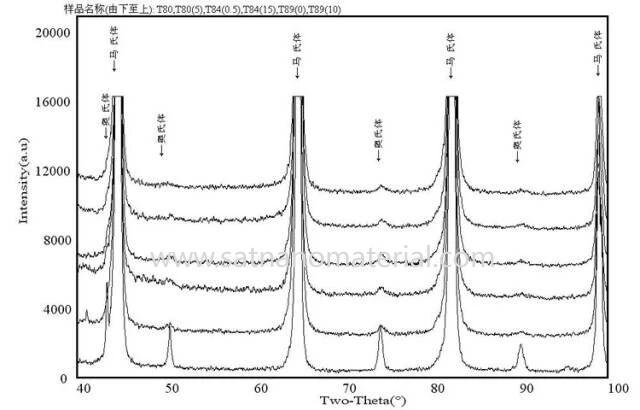
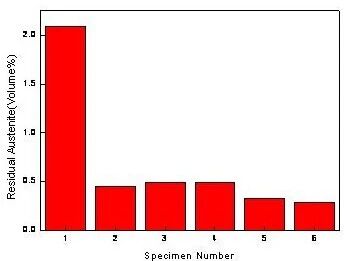
Example 2: The steel sample contains a small amount of residual austenite, and the transformation from austenite to martensite is measured after tensile fracture. The sample contains both austenite and martensite phases. The residual austenite in the sample before stretching is about 2% (V), and after the tensile test, only 0.2% to 0.5% austenite remains in the sample. According to the conventional scanning speed (8 °/min), no austenite peak can be found in the scanned spectrum. Later switched to step scanning: with a step size of 0.02 ° and a counting time of 1.5 seconds. The results were quite good.

XRD analysis

Calculation results of residual austenite:


XRD analysis

It is possible to measure phases with a content of less than 1% using the D/max 2500 diffractometer in physics. However, the scanning time should be appropriately extended, that is, a lower scanning speed should be used. Step scanning can obtain ideal results.


How to use XRD to detect substances with low content?
First, scan at a faster speed. When there are some seemingly ambiguous trace peaks in the spectrum, switch to scanning at a slower speed. According to experience, if you can see the "shadow" of a certain phase at 8 degrees per minute, there is not much improvement at a speed of 4 degrees per minute. It is necessary to switch to a speed of 1 degree/min or slower in order to have an effect. Another frequently overlooked factor is the size of the sample. Especially for bulk samples, the sample frame should be filled as much as possible to increase the irradiation volume, which is equivalent to prolonging the scanning time. Samples that can be made into powder should be made into powder as much as possible and compacted as much as possible.


SAT NANO is a best supplier of nano powder and micro powder in China, we can offer metal powder, alloy powder, oxide powder and carbide powder. We also can supply the XRD, SEM, MSDS of product that your enquiried. If you have any enquiry, please feel free to contact us at admin@satnano.com

Customer Project LFT Solution for Car Fan shrouds

PA6-LGF30 Automotive Fan Shrouds | Long Glass Fiber Reinforced PA6 for Engine Cooling Systems

PA6-LGF30 Automotive Fan Shrouds for Lightweight & High-Performance Cooling Systems

Long glass fiber reinforced PA6 engineered for strength, durability, and efficient automotive cooling applications.

1. Why Automotive Fan Shrouds Matter

The fan shroud is an essential component of an automotive engine cooling system. It directs airflow through the radiator, improving cooling efficiency while protecting the cooling fan from external damage.

As modern vehicles become lighter and more energy-efficient, manufacturers are replacing traditional materials with high-performance engineering plastics capable of delivering superior mechanical performance without increasing weight.

2. Why Choose PA6-LGF30?

2.1 Long Glass Fiber Reinforcement

PA6-LGF30 combines Polyamide 6 with 30% long glass fibers, creating a reinforced internal structure that provides significantly higher stiffness and impact resistance compared with conventional short glass fiber reinforced materials.

2.2 Performance Advantages

  • Excellent stiffness and structural strength
  • Outstanding impact resistance
  • High heat resistance for engine compartment environments
  • Superior dimensional stability
  • Reduced vibration and noise
  • Excellent fatigue resistance during long-term service
  • Supports automotive lightweighting initiatives

3. Engineering Challenges of Fan Shrouds

3.1 High Temperature Environment

Fan shrouds are continuously exposed to elevated temperatures generated by the engine and radiator. Materials must maintain stiffness and dimensional accuracy even after long-term thermal exposure.

3.2 Dynamic Mechanical Loads

Vehicle vibration, road impact, and continuous airflow generate repeated mechanical loading. PA6-LGF30 provides excellent fatigue performance, ensuring reliable long-term operation.

3.3 Dimensional Precision

Maintaining the correct clearance between the fan blades and shroud is critical for cooling efficiency and noise reduction. Long glass fiber reinforcement minimizes warpage and improves dimensional stability.

4. Why Long Glass Fiber Performs Better

Unlike conventional short glass fiber reinforced plastics, long glass fibers form a continuous reinforcing network inside the polymer matrix. This allows stress to be distributed more evenly throughout the component, improving impact strength, fatigue life, and overall structural integrity.

Compared with Short Glass Fiber Materials:
  • Higher impact strength
  • Improved creep resistance
  • Better fatigue durability
  • Lower warpage
  • Greater design freedom for complex injection molded parts

5. Typical Applications

  • Automotive radiator fan shrouds
  • Electric cooling fan housings
  • HVAC air guide components
  • Engine compartment structural parts
  • Electric vehicle cooling system components

6. About Xiamen LFT Composite Plastics

6.1 Long Fiber Composite Material Manufacturer

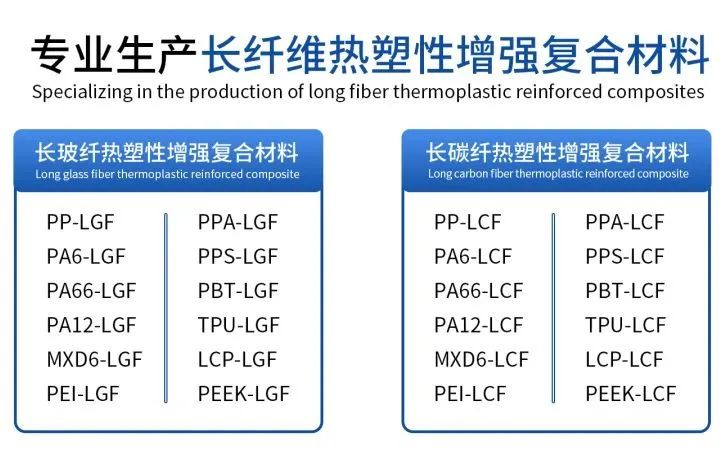
Xiamen LFT Composite Plastics Co., Ltd. specializes in manufacturing long glass fiber reinforced thermoplastic materials, including PP, PA6, PA66, TPU, PPS, PPA, and long carbon fiber reinforced composite materials for demanding engineering applications.

6.2 Industries We Serve

Our materials are widely used in automotive, new energy vehicles, power tools, industrial equipment, consumer electronics, and structural engineering applications requiring lightweight design and exceptional mechanical performance.

7. Why Choose Our PA6-LGF30?

  • Over 20 years of long fiber composite manufacturing experience
  • Consistent fiber length for superior mechanical performance
  • Customized formulations available
  • Global technical support
  • Ideal for automotive lightweight solutions

8. Contact Us

Looking for high-performance PA6-LGF30 materials for automotive applications?

Contact us for technical datasheets, material recommendations, sample evaluation, and engineering support.

Contact Us

Hotter Summers, Higher Expectations High-Stiffness Composites for Quieter Air Conditioners

As global temperatures continue to rise, air conditioners have become an essential part of everyday life. The recent heatwaves across Europe have triggered a surge in air conditioner demand, placing greater emphasis on product performance, durability, and quiet operation.

Behind every high-performance air conditioner lies more than an efficient compressor or an advanced control system—the choice of material plays a critical role. To meet the growing demand for lightweight, low-noise, and long-lasting HVAC systems, engineering plastics are increasingly replacing traditional metal components in fan impellers, blower housings, motor brackets, structural frames, and other key parts.

Engineering Plastics for Air Conditioners

So, which engineering plastics are most commonly used in air conditioners? What advantages does each material offer? And why are high-stiffness long glass fiber reinforced thermoplastics (LFT) becoming the preferred choice for next-generation HVAC components?

In this article, we'll explore the most widely used engineering plastics in air conditioners and explain how high-performance composite materials help reduce noise and vibration, improve structural strength, and enhance the overall efficiency and reliability of modern air conditioning systems.

Challenges in Selecting Engineering Plastics for Air Conditioners

Material selection plays a critical role in the design and performance of modern air conditioning systems. Beyond manufacturing costs, the right engineering plastic directly affects product durability, structural strength, noise levels, and long-term reliability. However, selecting the optimal material is not always straightforward. Air conditioner manufacturers typically face two major challenges:

1. Complex Material Selection

A wide range of engineering plastics—including PP, ABS, PA, PBT, PPS, and long glass fiber reinforced thermoplastics (LFT)—offer different advantages in terms of mechanical strength, heat resistance, dimensional stability, processability, and cost. Choosing the most suitable material for each component requires balancing application requirements with performance and budget. An inappropriate material choice can lead to increased noise and vibration, reduced service life, or unnecessary manufacturing costs.

2. Balancing Multiple Performance Requirements

Modern air conditioners demand materials that provide high stiffness while also delivering excellent heat resistance, flame retardancy, fatigue resistance, dimensional stability, and efficient injection molding performance. At the same time, manufacturers must achieve lightweight designs, maintain cost efficiency, and ensure high production productivity. Finding the right balance among these competing requirements remains one of the biggest challenges in HVAC material selection.

HVAC Material Selection

Engineering Plastics Used in Air Conditioners

01. ABS – The Preferred Material for Exterior Components

Typical Applications

ABS is widely used for visible exterior parts such as front panels, control panels, decorative covers, and other cosmetic components. These parts are the first elements consumers notice, making appearance, surface quality, and durability key design considerations.

Key Advantages

ABS offers an excellent surface finish with high gloss, making it ideal for premium-looking air conditioner housings. Its outstanding paintability also allows manufacturers to achieve a wide range of colors, textures, and decorative effects to meet different product designs.

In addition, ABS provides excellent impact resistance, helping exterior components withstand daily handling, accidental impacts, and long-term use while maintaining their appearance. Its good processability and cost-effectiveness have made ABS one of the most widely used engineering plastics for air conditioner exterior applications.

02. PP and Modified PP – The Cost-Effective Choice for Functional Components

Typical Applications

Polypropylene (PP) is widely used for non-load-bearing components such as air filters, drain pans, internal brackets, and various functional parts. While these components are not highly visible, they play an essential role in ensuring the reliable operation of the air conditioning system.

Key Advantages

PP offers excellent low-temperature toughness and good chemical resistance, allowing it to withstand moisture, cleaning agents, and a wide range of operating environments. Its low density, easy processability, and competitive cost make it one of the most economical engineering plastics for high-volume air conditioner production.

Why Modify PP?

Standard PP can be further enhanced with glass fiber reinforcement, flame-retardant additives, or mineral fillers to meet more demanding performance requirements. Modified PP delivers significantly higher stiffness, improved dimensional stability, enhanced heat resistance, and better flame-retardant performance while maintaining the cost advantages of conventional PP. As a result, it has become a preferred material for many structural and functional HVAC components where strength, safety, and cost efficiency must be carefully balanced.

PP Long Glass Fiber Reinforced Material

PP Long Glass Fiber Reinforced Thermoplastic (LGF-PP)

03. PC/ABS Alloy – The Balanced Solution for Premium Air Conditioners

Typical Applications

PC/ABS alloy is commonly used for structural parts and exterior housings in premium air conditioners, especially for thin-wall components that require both strength and an excellent surface finish.

Key Advantages

By combining the strengths of polycarbonate (PC) and ABS, PC/ABS offers better heat resistance and impact strength than ABS while providing easier processing and lower manufacturing costs than pure PC. This balance of mechanical performance, appearance, and processability makes it an ideal material for high-end HVAC applications.

04. PA (Polyamide) – The Core Material for High-Performance Structural Components

Typical Applications

Polyamide (PA), particularly glass fiber reinforced grades such as PA6 GF30, is widely used for fan blades, motor brackets, bearing supports, and other structural components exposed to continuous vibration, mechanical loads, and elevated temperatures.

Key Advantages

PA provides outstanding mechanical strength, wear resistance, and creep resistance, ensuring long-term structural stability under demanding operating conditions. It also maintains excellent performance across a wide temperature range, typically from -30°C to 120°C, making it well suited for air conditioner components that require long service life and reliable operation.

05. PBT and PET – Reliable Materials for Electrical and High-Temperature Applications

PBT: Ideal for Electrical Components

PBT is widely used in electrical control boxes, connectors, terminal blocks, and other components requiring excellent electrical insulation. It also offers fast injection molding cycles, good dimensional stability, and reliable performance under continuous thermal exposure, making it a preferred material for electrical applications in HVAC systems.

Reinforced PET: Built for High-Temperature Environments

Glass fiber reinforced PET is commonly used in air outlets, coil supports, and other components exposed to elevated temperatures. With excellent heat resistance—typically exceeding 200°C for reinforced grades—along with high stiffness and dimensional stability, reinforced PET ensures reliable performance in demanding thermal environments.

06. PU (Polyurethane) – The Key to High-Efficiency Thermal Insulation

Typical Applications

Polyurethane (PU) foam is widely used as the thermal insulation material between the inner and outer shells of air conditioners, filling cavities to improve thermal efficiency while also providing structural support.

Key Advantages

PU features an extremely low thermal conductivity, effectively minimizing heat transfer and reducing cooling energy loss. Its excellent insulation performance helps improve the overall energy efficiency of air conditioning systems while contributing to quieter operation and enhanced long-term durability.

Engineering Plastics Used in Air Conditioners

Advantages of Engineering Plastics for Air Conditioner Applications

Compared with general-purpose plastics, engineering plastics offer superior mechanical strength, heat resistance, flame retardancy, dimensional stability, and long-term reliability. These properties enable manufacturers to produce air conditioners that are lighter, quieter, more durable, and more energy efficient.

Each material offers unique advantages for different applications. ABS is ideal for exterior components, PA excels in high-load structural parts, while modified PP, PBT, PET, and PC/ABS are widely used in electrical and functional components. Selecting the right material for each application is essential to achieving the best balance between performance, manufacturability, and cost.

Why Choose Long Glass Fiber Reinforced Thermoplastics (LFT)?

As air conditioners continue to evolve toward lightweight, low-noise, and high-performance designs, Long Glass Fiber Reinforced Thermoplastics (LFT) have become an ideal material for structural HVAC components. Compared with conventional reinforced plastics, LFT offers higher stiffness, better impact resistance, improved vibration damping, and superior dimensional stability.

At Xiamen LFT Composite Plastics Co., Ltd., we provide high-performance PP-LGF, PA6-LGF, PA66-LGF, PPA-LGF, PPS-LGF, and customized LFT solutions to help HVAC manufacturers improve product performance, reduce noise and vibration, and achieve lightweight designs.

Long Glass Fiber Reinforced Thermoplastics for Air Conditioners

How Long Can Marine Composites Last After an Impact?

How to Choose the Right Glass Fiber Content for PA66

How to Choose the Right Glass Fiber Content for PA66

A Practical Guide to Balancing Mechanical Performance, Heat Resistance, Processability and Cost

Introduction

Glass fiber reinforced PA66 (GF PA66) is one of the most widely used engineering plastics in automotive, electrical, industrial machinery and structural applications. By incorporating glass fibers into Nylon 66, manufacturers can significantly improve strength, stiffness, dimensional stability and heat resistance.

However, one question frequently arises during material selection:

Should you choose 20%, 30%, 40%, 50% or even 60% glass fiber reinforced PA66?

Many engineers assume that higher glass fiber content always means better performance. In reality, increasing glass fiber improves certain properties while reducing others, such as impact resistance and flowability.

Selecting the proper glass fiber percentage requires balancing mechanical performance, molding process, product design and overall manufacturing cost.


How Glass Fiber Content Influences PA66 Performance

Glass fibers function as reinforcement within the PA66 matrix. As fiber loading increases, the reinforcing network becomes stronger, enabling the composite to withstand higher mechanical loads and elevated temperatures.

At the same time, excessive glass fiber loading may introduce processing challenges and reduce toughness.

1. Mechanical Strength and Stiffness Increase

The most obvious benefit of adding glass fiber is the improvement of mechanical properties.

  • Higher tensile strength
  • Higher flexural strength
  • Higher modulus
  • Improved rigidity
  • Better dimensional stability

For structural components subjected to continuous loads, increasing glass fiber content often provides significant performance advantages.

2. Heat Resistance Improves

Glass fibers restrict polymer chain movement, resulting in improved heat deflection temperature (HDT) and long-term thermal stability.

This makes high glass fiber PA66 ideal for automotive engine compartments, electrical components and industrial equipment operating at elevated temperatures.

3. Flowability Decreases

As glass fiber loading increases, melt viscosity rises during injection molding.

Consequently:

  • Injection pressure increases
  • Thin-wall filling becomes more difficult
  • Surface fiber exposure becomes more noticeable
  • Complex mold designs require careful optimization

4. Impact Toughness Gradually Decreases

Higher rigidity generally comes at the expense of toughness.

Compared with lower glass fiber grades, high glass fiber PA66 exhibits reduced elongation and lower impact resistance, making it less suitable for components exposed to repeated impacts.

5. Processing Difficulty and Cost Increase

Higher glass fiber content usually means:

  • Greater mold wear
  • Higher machine requirements
  • More difficult processing window
  • Higher raw material cost

Therefore, the highest glass fiber percentage is not always the most economical solution.


Typical Glass Fiber Content Ranges

Glass Fiber Content Characteristics Typical Applications
10–20% Balanced mechanical properties, good flowability, easy processing, economical. Consumer products, electrical housings, light-duty structural components.
25–30% Excellent balance between strength, stiffness and processability. Automotive components, power tools, appliance structures.
30–40% High rigidity, excellent heat resistance and dimensional stability. Cooling fans, industrial machinery, motor housings.
40–50% Ultra-high stiffness with excellent structural performance. Heavy-duty structural components and precision industrial parts.
Above 50% Special engineering applications requiring maximum rigidity and wear resistance. Customized engineering solutions.

How to Select the Right Glass Fiber Content

Choosing the appropriate glass fiber content is not simply about selecting the highest strength material. Engineers should evaluate the entire product lifecycle, including mechanical requirements, molding capability, service environment and production cost.

Step 1

Define Performance Requirements

Determine the required mechanical strength, stiffness, impact resistance, heat resistance and dimensional stability before selecting a material grade.

Step 2

Balance Cost and Processability

Higher glass fiber content improves performance but also increases molding difficulty, tooling wear and material cost.

Step 3

Use Industry Experience

Reference proven material selections used in automotive, electrical and industrial applications to shorten development time.

Step 4

Prototype and Validate

Always verify mechanical properties, thermal performance and molding behavior through prototype testing before mass production.


Recommended Glass Fiber Content by Industry

Industry Typical Components Recommended GF Content
Automotive Engine covers, brackets, housings, cooling system components 20–30%
Industrial Machinery Structural parts, gears, support frames 25–40%
Electrical & Electronics Connectors, switches, electrical housings 15–25%
Cooling Fans Fan blades, motor housings 30–50%
Precision Engineering High-load structural components 30–60%

Why Long Glass Fiber Reinforced PA66 Performs Better

Although conventional short glass fiber reinforced PA66 is widely used, many demanding engineering applications are now transitioning to Long Glass Fiber Reinforced PA66 (LGF PA66).

Compared with short glass fiber materials, long glass fiber composites retain significantly longer fiber lengths after injection molding, creating a stronger reinforcing network inside the polymer matrix.

Property Short Glass Fiber PA66 Long Glass Fiber PA66
Impact Strength Good Excellent
Fatigue Resistance Moderate Outstanding
Dimensional Stability Good Excellent
Long-term Mechanical Performance Good Superior
Lightweight Replacement of Metal Limited Highly Suitable

LFT-G® Long Glass Fiber PA66 Solutions

LFT-G specializes in long fiber reinforced thermoplastic composites for demanding engineering applications.

  • Glass Fiber Content: 20%–60%
  • Excellent Impact Strength
  • Outstanding Heat Resistance
  • Superior Fatigue Performance
  • Excellent Dimensional Stability
  • Flame Retardant Grades Available
  • UV Resistant Grades Available
  • Hydrolysis Resistant Grades Available
  • Customized Formulations for OEM Projects

Frequently Asked Questions

Is higher glass fiber content always better?

No. While higher glass fiber content improves stiffness and heat resistance, it also reduces flowability and impact toughness while increasing manufacturing cost.

What is the most commonly used glass fiber percentage?

Glass fiber contents between 30% and 40% offer an excellent balance between strength, processing performance and cost, making them the most widely used grades.

When should I choose 40% or higher glass fiber reinforced PA66?

High glass fiber grades are recommended for structural components requiring maximum stiffness, high temperature resistance and long-term dimensional stability.

Why choose long glass fiber reinforced PA66?

Long glass fiber reinforced PA66 provides superior impact strength, fatigue resistance and structural performance compared with conventional short glass fiber materials, making it ideal for lightweight metal replacement applications.

Contact our engineering team today to receive technical data sheets, application recommendations and customized material solutions.

Request a Free Consultation

Modified Plastics vs. Virgin Plastics Differences, Benefits & Best Applications

In today's industrial world, plastics have evolved far beyond the definition of simple synthetic materials. They have become an essential part of modern life, supporting everything from consumer goods and transportation to electronics and healthcare. Whether consumers are examining food packaging on supermarket shelves, touching automotive interior components in a showroom, or holding electronic devices in their hands, they are interacting not with a single material, but with engineered plastics that have been carefully optimized for specific performance requirements.

Among these materials, modified plastics represent the next stage in the evolution of polymer engineering. Rather than relying solely on the inherent properties of virgin resins, material scientists enhance plastics through reinforcement, fillers, additives, and advanced compounding technologies, transforming them from materials that are merely usable into materials precisely engineered for their intended applications.


Performance Differences Between Modified Plastics and Virgin Plastics
Breaking the Performance Limits of Virgin Plastics

The performance of virgin plastics is primarily determined by the chemical structure of the base resin. Common polymers such as polyethylene (PE), polypropylene (PP), and polyvinyl chloride (PVC) possess relatively uniform molecular weight distribution, crystallinity, and branching characteristics. While this consistency supports cost-effective mass production, it also limits the range of achievable material properties.

When the inherent properties of a single resin are insufficient for demanding applications, the likelihood of material failure increases. Components may suffer from inadequate mechanical strength, poor heat resistance, limited dimensional stability, or insufficient chemical resistance under harsh operating conditions.

Modified plastics address these limitations by incorporating reinforcing fibers, mineral fillers, and functional additives to create high-performance composite materials. For example, the addition of glass fibers or carbon fibers significantly improves tensile strength, stiffness, and fatigue resistance through the synergistic interaction between the reinforcement and the polymer matrix.

According to composite material theory, factors such as fiber content, aspect ratio, orientation, and interfacial bonding work together to determine the final performance of the material. This engineered synergy enables modified plastics to surpass the performance limitations of virgin resins and meet the requirements of high-demand industrial applications.

Enhanced Stability and Long-Term Durability

Over time, all plastic materials experience some degree of performance degradation when exposed to heat, ultraviolet (UV) radiation, moisture, chemicals, and other environmental factors. Virgin plastics are more susceptible to aging, cracking, deformation, and embrittlement because these changes are closely related to the intrinsic characteristics of the polymer, including molecular chain mobility, crystallinity, and chemical structure. For instance, polystyrene (PS) tends to become brittle at low temperatures due to its limited molecular flexibility.

Modified plastics are specifically engineered to improve long-term reliability. By incorporating antioxidants, UV stabilizers, heat stabilizers, and weather-resistant additives, manufacturers can significantly slow the aging process and extend product service life.

In addition, mineral fillers such as calcium carbonate and talc not only reduce material costs but also create physical barriers that limit the penetration of oxygen and moisture, improving durability and dimensional stability. Polymer blending technologies further enhance performance by combining the strengths of different resins, resulting in engineered plastic alloys that offer an optimized balance of mechanical properties, thermal stability, and environmental resistance.

Application-Specific Material Selection in Modern Industries
Driving Automotive Lightweighting with Modified Plastics

The automotive industry places exceptionally high demands on material performance. Structural components require outstanding strength and stiffness, interior and exterior parts must offer excellent processability and weather resistance, while electrical and electronic systems depend on superior flame retardancy, electrical insulation, and dimensional stability. These diverse performance requirements have made modified plastics an indispensable material in modern vehicle manufacturing.

As the adoption of electric vehicles continues to accelerate, the importance of lightweight materials has grown significantly. Reducing vehicle weight helps improve energy efficiency, extend driving range, and lower overall emissions without compromising safety or performance. As a result, the amount of modified plastics used in each vehicle continues to increase, replacing traditional metal components in an expanding range of applications.

Glass fiber reinforced polyamide (PA) is widely used in structural components because it delivers an excellent balance of lightweight design, high mechanical strength, and long-term fatigue resistance. Through optimized fiber content and orientation, these materials can reduce component weight by more than 30% while maintaining durability comparable to metal.

For under-the-hood applications, heat-resistant modified polypropylene (PP) provides reliable long-term performance at elevated temperatures through the incorporation of mineral fillers and thermal stabilizers. In electric vehicles, flame-retardant PC/ABS alloys are commonly used for battery housings and electrical components, offering excellent flame resistance, electrical insulation, and dimensional stability to enhance vehicle safety.

These applications demonstrate the greatest advantage of modified plastics: the ability to engineer material properties for specific performance requirements while achieving an optimal balance between weight, durability, manufacturability, and cost.


Application-Specific Material Selection in Modern Industries
Meeting the Precision Requirements of Electronics and Electrical Devices

As electronic products continue to evolve toward miniaturization, higher integration, and greater power density, manufacturers require materials with superior dielectric properties, flame resistance, and dimensional stability. The widespread use of modified plastics in the electronics industry is the result of precise engineering at the microscopic level, enabling polymers to meet increasingly demanding performance standards.

For precision components such as connectors, sockets, and switch housings, modified polybutylene terephthalate (PBT) with low moisture absorption maintains tight dimensional tolerances and minimizes deformation caused by humidity. This ensures reliable assembly and long-term performance in highly integrated electronic devices.

Flame-retardant modification is equally critical for electrical safety. By incorporating halogenated or halogen-free flame retardants, along with intumescent flame-retardant systems, modified plastics can form a protective char layer when exposed to fire. This barrier effectively slows heat transfer and restricts oxygen supply, significantly reducing flame propagation. Achieving this level of performance requires careful optimization of additive compatibility, dispersion, and synergistic interactions within the polymer matrix rather than simply adding flame-retardant chemicals.

Balancing Cost and Performance for Consumer Products


In consumer electronics and household appliances, manufacturers must carefully balance material performance with production costs. Modified plastics provide an effective solution by combining filling, blending, and reinforcement technologies to reduce material costs while maintaining the mechanical properties required for everyday use.

For example, calcium carbonate-filled polypropylene (PP) is widely used in refrigerator door panels and other appliance components. The mineral filler can significantly reduce raw material costs while maintaining adequate strength, stiffness, and long-term durability for the intended application.

This cost optimization is achieved through application-driven material engineering rather than sacrificing quality. Unlike automotive structural components, household appliance parts generally experience lower mechanical loads but face greater cost pressures. By tailoring the material formulation to the actual service environment, modified plastics deliver the optimal balance of performance, manufacturability, and affordability, making them an ideal choice for high-volume consumer products.


Choosing the Right Material: Balancing Performance, Cost, and Sustainability


For purchasing managers and product designers, understanding the value of modified plastics does not require in-depth expertise in polymer science. Instead, the key is to evaluate materials based on the specific requirements of the intended application rather than assuming that modified plastics are always the premium or superior choice.

A practical material selection framework considers three core factors: performance, cost, and environmental requirements. The optimal material is the one that delivers the necessary functionality at the lowest total lifecycle cost.

For durable products such as automobiles, household appliances, and industrial equipment, long-term mechanical performance and reliability are often more important than initial purchase price. In these applications, materials with reinforcement, flame-retardant properties, enhanced heat resistance, or improved weatherability provide greater long-term value by extending product life and reducing maintenance or replacement costs.

For single-use products such as packaging materials, however, cost efficiency is typically the primary consideration. In these cases, filling modification technologies that incorporate mineral fillers can effectively reduce raw material costs while maintaining the basic performance required for the product's intended use.

Ultimately, the best material choice is not determined by whether a plastic is modified or unmodified, but by how well its performance matches the application's functional requirements. By selecting materials according to real operating conditions, manufacturers can achieve the optimal balance between performance, manufacturing efficiency, cost-effectiveness, and sustainability.


Why PPS Is the Preferred Material for 1000V High-Voltage Connectors in Electric Vehicles

AI Chip Cooling War Why AlN Substrates Matter


As GPU power consumption breaks the kilowatt barrier, chip heat dissipation has become the core bottleneck restricting AI computing power. Ceramic substrates, with their outstanding heat dissipation performance, stable dielectric properties, and high reliability, perfectly align with AI's core demands for thermal management, high-frequency high-speed operation, and stability.


Take AlN ceramic substrates as an example. Their thermal conductivity can reach 170-230 W/(m·K), 6-10 times that of alumina substrates. With a thermal expansion coefficient of approximately 4-5 ppm/℃, AlN matches silicon chips closely, effectively preventing solder joint failures caused by excessive temperature differences. In applications such as LED heat dissipation AlN substrates, chip junction temperatures can be controlled within reasonable ranges, significantly improving heat dissipation efficiency.


Without high-performance ceramic substrates, AI chips running at full speed are essentially "running a fever."


Market Explosion: How Big Is the Opportunity?

According to Global Info Research, global ceramic substrate revenue reached approximately USD 1.617 billion in 2024 and is projected to climb to USD 4.144 billion by 2031, representing a CAGR of 14.6%.


Market Research Future estimates the ceramic substrate market at USD 12.79 billion in 2024, with growth from USD 14.51 billion in 2025 to USD 51.21 billion by 2035, averaging 13.44% annual growth.


AlN and silicon nitride substrates are growing significantly faster than traditional alumina products, primarily because alumina ceramics increasingly fail to meet the thermal management requirements of power modules in high-power packaging applications.


Industry Chain Key: Powder Determines Substrate Performance

The performance ceiling of ceramic substrates largely depends on upstream powder materials. Currently, high-end AlN powder preparation technology is basically monopolized by Japan, the United States, and Germany, accounting for the majority of global market share.


China started AlN powder preparation relatively late, but has made significant progress in recent years. Xiamen Juci Technology Co., Ltd. is a representative enterprise.


Founded in 2016 in Xiamen based on the research achievements of Professor Qin Mingli's team at the University of Science and Technology Beijing, Juci focuses on the R&D, production, and sales of high-grade AlN powder and ceramic products. The company's main products include four categories: high-purity fine AlN powder, AlN granulation powder, AlN filler powder, and AlN ceramic products.


In 2023, Juci was selected as a "National Specialized and Innovative Little Giant Enterprise," with AlN production reaching 400 tons. In 2024, the company's AlN powder capacity reached 600 tons, ranking among the world's leading players in terms of capacity and sales scale. The company adopts the precursor carbothermal reduction nitridation method, and its product quality has been widely recognized by domestic and international customers.


In September 2024, Juci signed an agreement with the Hohhot Economic and Technological Development Zone to invest RMB 800 million in building an Inner Mongolia production base for high-purity nitride electronic ceramic materials. Upon full operation, the project will produce 5,000 tons of high-purity nitride electronic ceramic materials annually. As the project gradually progresses, the company's annual capacity will increase substantially, with the potential to rank among the global leaders in this niche segment. The project leverages local advantages in land and electricity costs, further enhancing the company's core competitiveness.


Notably, Juci holds a leading position in injection-molded complex precision AlN ceramic products, capable of producing precision ceramic components for high-end applications such as IGBT packaging, power modules, and LED heat dissipation AlN substrates.


Juci Product Matrix and Core Advantages

With thermal conductivity reaching 170-230 W/(m·K)—far exceeding alumina substrates (15-30 W/(m·K))—AlN ceramic substrates are the ideal choice for high-power device packaging. Juci's product line covers key segments of the AlN industry chain:


Powder Products: Including high purity AlN powder, low oxygen content AlN powder, and semiconductor grade AlN powder, meeting diverse application requirements. High purity AlN powder price is competitive, providing downstream customers with cost-effective domestic alternatives.


Ceramic Products: Complex precision AlN ceramic components widely used in power module packaging, LED heat dissipation AlN substrates, and AlN ceramic substrate sintering applications.


AlN Thermal Materials: As the core raw material for AlN thermal materials, Juci's AlN powder has broad application prospects in thermal interface materials (TIM) such as thermal greases, thermal gels, and thermal pads.


The Future Is Here: Domestic Substitution at the Right Time

With the accelerated penetration of third-generation semiconductors—silicon carbide and gallium nitride—and the explosive demand for AI computing power, ceramic substrates are facing a historic opportunity.


Domestic enterprises have achieved the transition from "following" to "running alongside" in the AlN powder field. The rise of companies like Juci is breaking the monopoly of international giants on high-end powder materials, providing stable and reliable domestic raw material supply for downstream AlN ceramic substrate manufacturers. As the Inner Mongolia 5,000-ton capacity project gradually advances, Juci Technology's leading position in the global AlN materials field will be further consolidated.


From "flour" to "bread," the domestic ceramic substrate industry chain is accelerating its closed loop. Whoever masters the core preparation technology of high thermal conductivity AlN powder at the material end will gain the upper hand in the heat dissipation competition of the AI computing era.


Xiamen Juci specializes in the R&D, production, and sales of AlN powder and AlN ceramic structural components, possessing mature production technologies and a comprehensive service system with reliable quality and stable supply. For those in need of AlN powder and related products, please feel free to contact us at any time, and we will provide you with professional solutions.


Contact: Jenny Qin / 진현혜

Xiamen Juci Technology Co., Ltd.

Phone: +86 151-5177-8700

Email: qinxianhui@chinajuci.com

Website: www.jucialnglobal.com