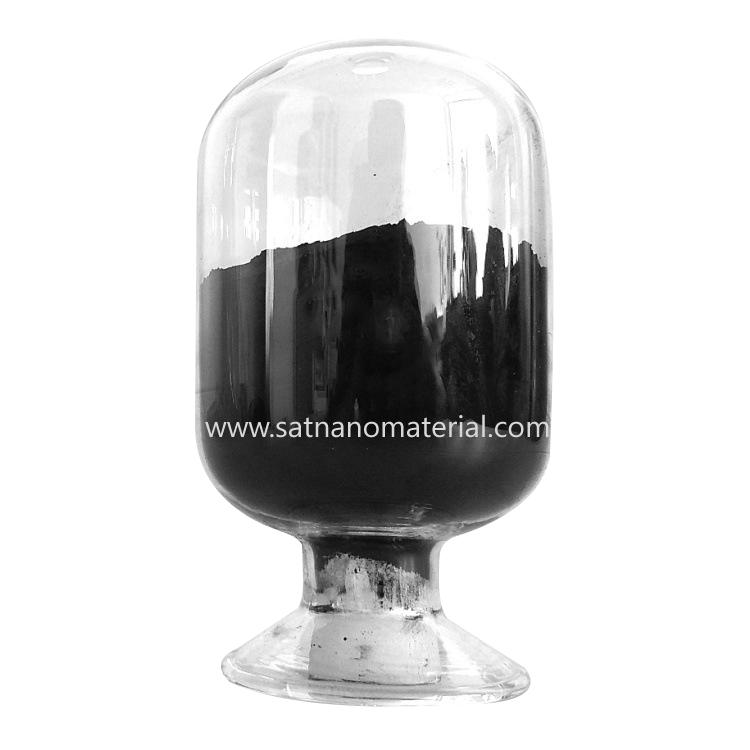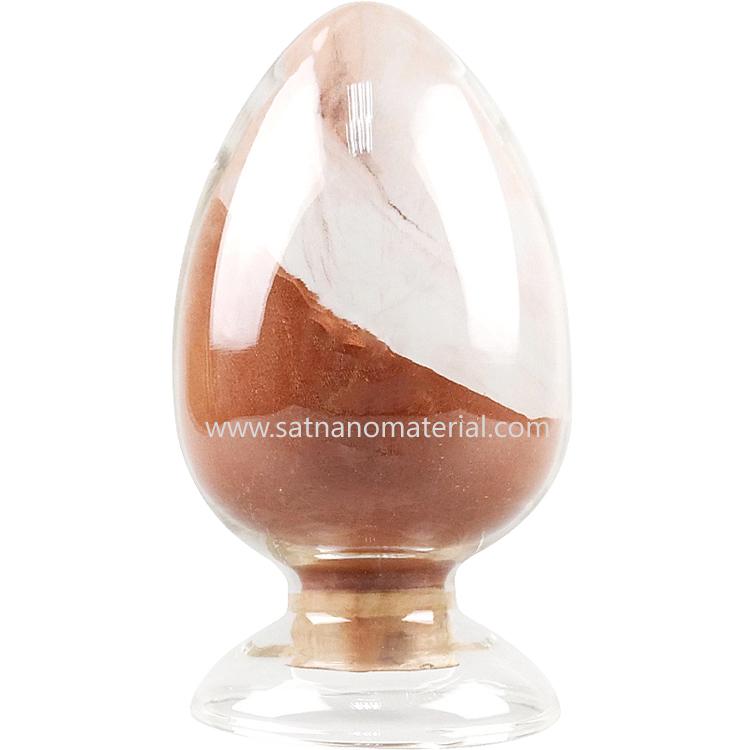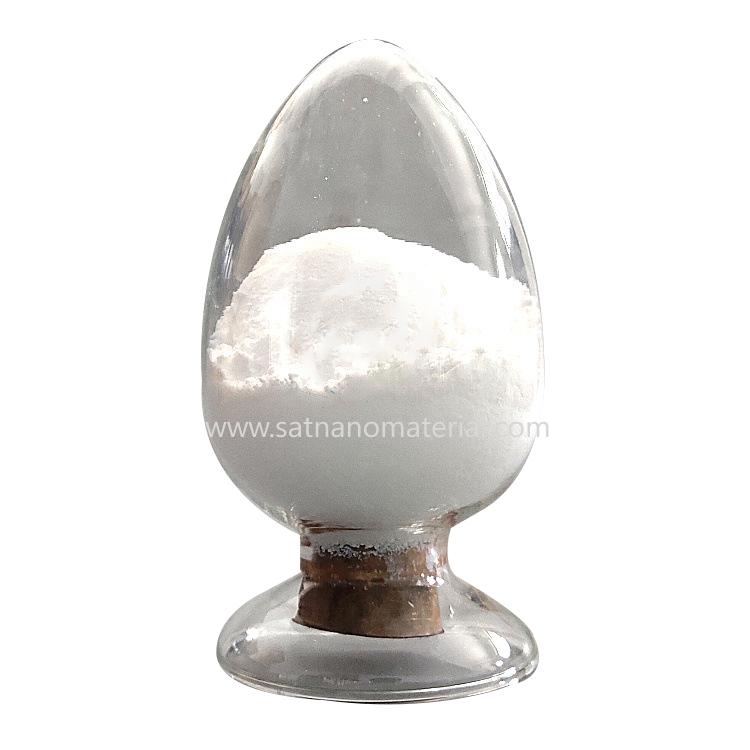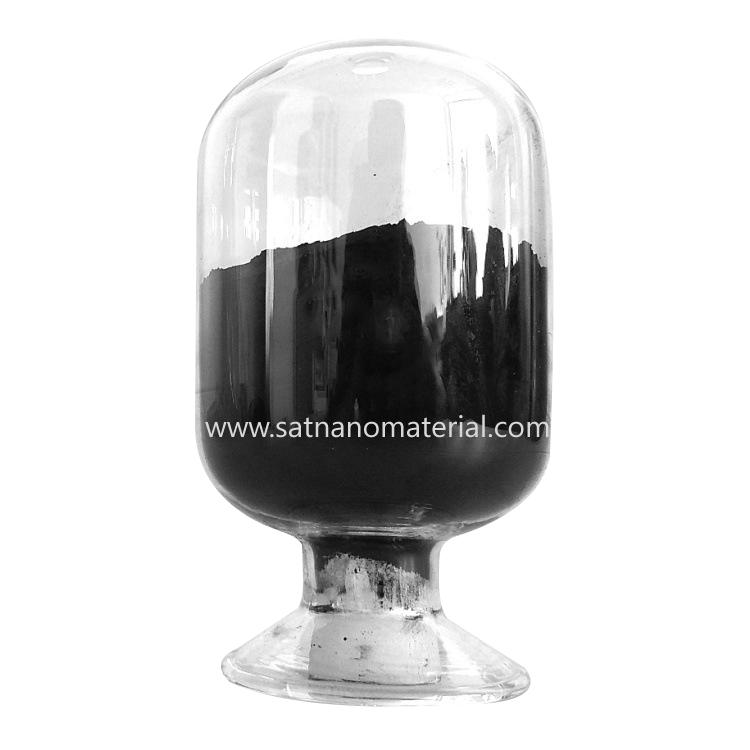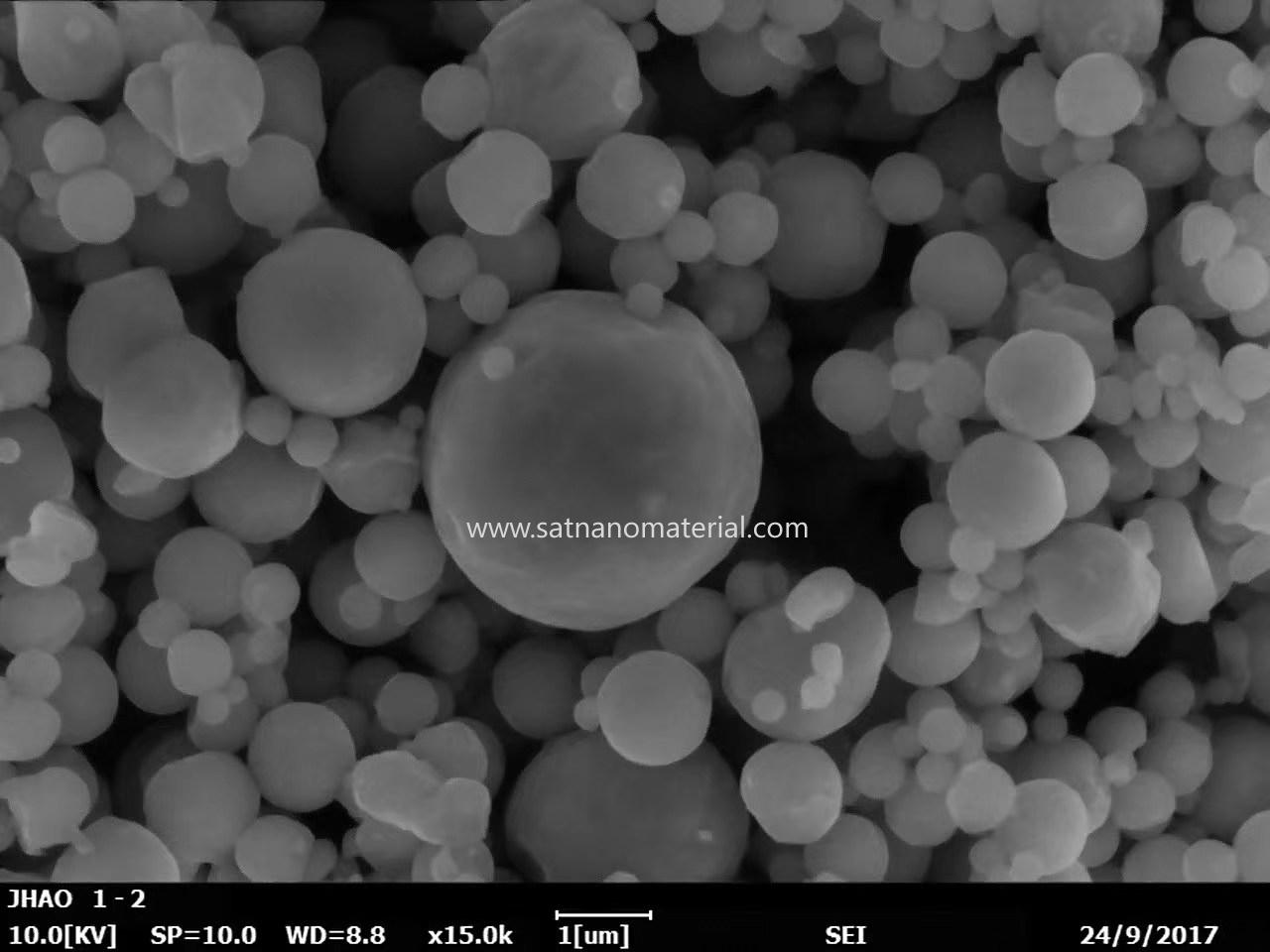
What nano powders can be added to printing inks and coatings to resist ultraviolet rays

Nano powder has various applications in modern industry. One of them is added to printing inks and coatings to provide UV resistance. Because of its very small size and high specific surface area, nano powder can bring remarkable effect in a very small amount. So, what nano powders can be added to printing inks and coatings to play the role of UV resistance? This article will provide you with a brief introduction.


1、 Nano titanium dioxide powder

Nano titanium dioxide powder is a kind of common nano powder, which can be added to inks and coatings to resist ultraviolet radiation. It is widely used in indoor and outdoor building materials, plastics, colored materials, and other fields to improve their durability and color. Adding nano titanium dioxide powder to printing inks and coatings can not only resist UV damage, but also enhance their waterproofing and wear resistance.
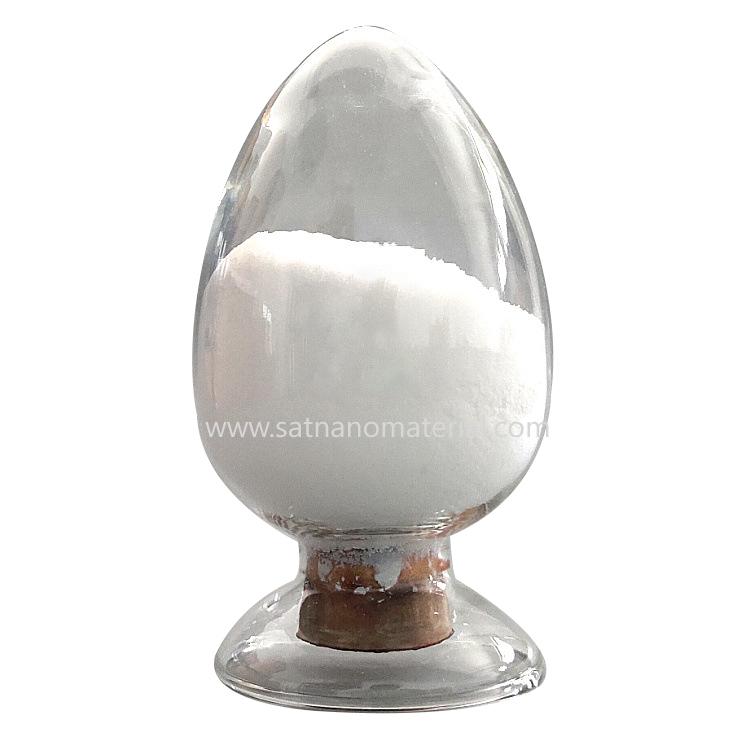
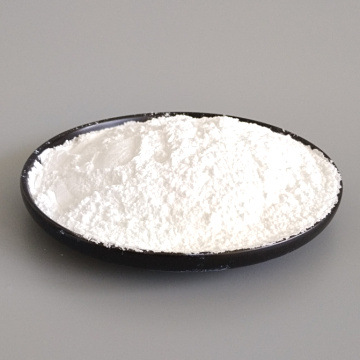
Nano titanium dioxide powder

2、 Nano zirconia powder

Nano zirconia powder is a superior nano powder than nano titanium dioxide powder. It can be added into printing ink and paint to achieve UV resistance. Its special crystal structure endows it with extremely high UV resistance, which can protect printed materials or coatings from maintaining bright colors and prevent them from fading or yellowing due to exposure to sunlight.
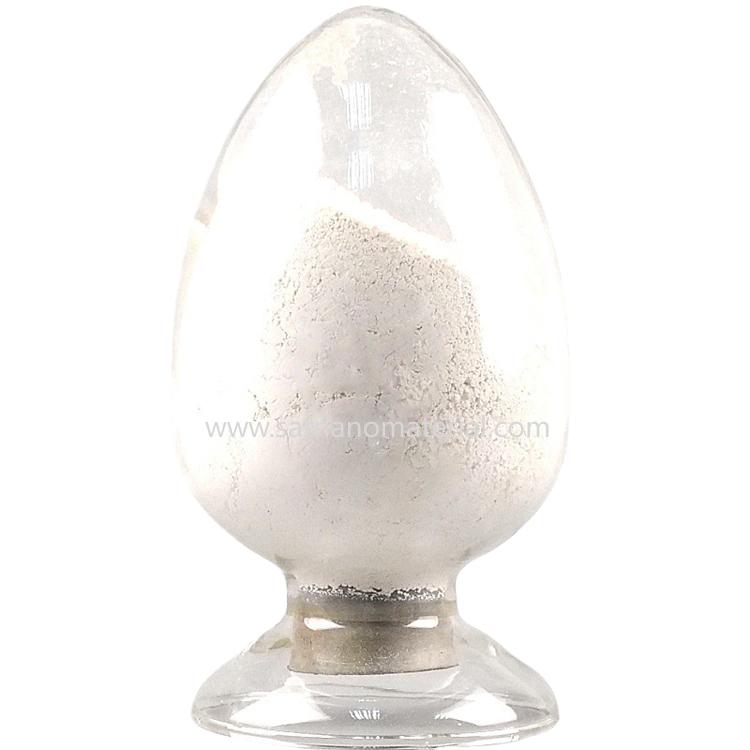
Nano zirconia powder


3、 Nano alumina powder

Nano alumina powder is a high-quality nano powder, which can be added to printing ink and paint to play the role of anti ultraviolet. Its main feature is the ability to form a protective film on the photosynthetic material, preventing UV damage to the photosynthetic pigment, thereby protecting and enhancing its color brightness.
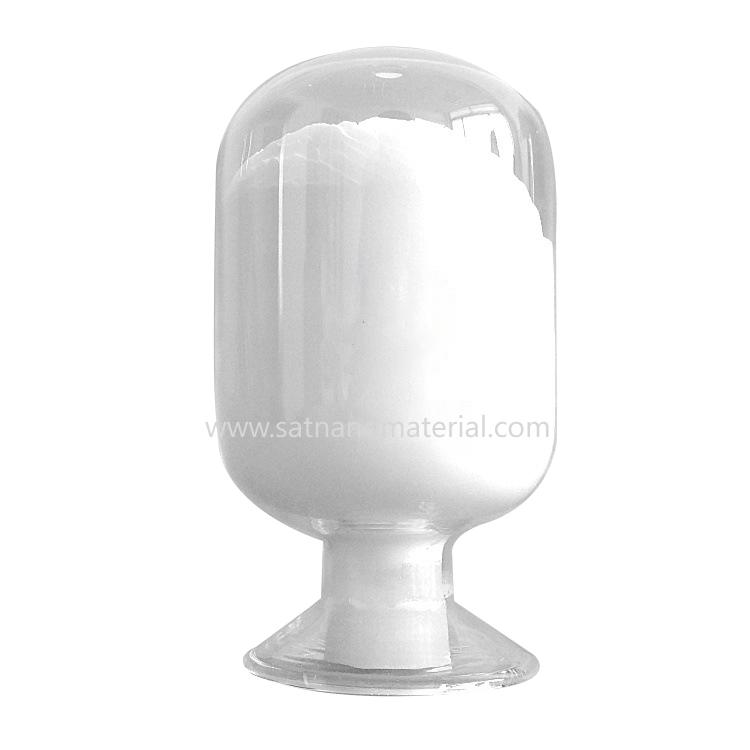
Nano alumina powder

The above three nano powders all provide important UV protection for printing inks and coatings, enabling printing materials or coatings to keep fresh in complex environments. Of course, these nano powders also need to be properly formulated to achieve the best performance.
Dongguan SAT NANO has always been committed to providing customers with high-quality nano powder. Our products meet the highest technical standards, and can provide your printing ink and paint with the best anti ultraviolet effect. If you need to add nano powder, please contact our professional technical team. We will provide you with the best solution.
In short, nano powder is an important part of printing ink and coating, which plays a vital role in improving durability and aesthetics. Nano titanium dioxide, nano zirconia, nano alumina powder, etc. can all be added to printing inks and coatings, playing an important role in UV protection.
What nanomaterials are used as dielectric materials

Dielectric materials are electrical insulation materials that can store charges. The dielectric constant is an important performance indicator of dielectric materials, used to measure the response of materials to charge storage capacity in an electric field. The dielectric constant is divided into two types: relative dielectric constant and absolute dielectric constant, among which the relative dielectric constant is commonly used in the study of dielectric materials. There are many commonly used dielectric materials, including:
1. Oxides: nano barium titanate (BaTiO3), nano titanium dioxide (TiO2), alumina (Al2O3), etc;
Example: Barium Titanate (BaTiO3): Barium Titanate is a high-performance and widely used ferroelectric ceramic
Ceramic materials can be used for polymer modification to improve the dielectric constant of materials. It is also widely used in the fields of capacitors, ceramic piezoelectric materials, sensors, etc.
The dielectric constant of epoxy resin is relatively low (about 3-4), and filling epoxy resin with nano BaTiO3 can significantly improve its dielectric constant.
Adding BaTiO3 to epoxy resin resulted in a composite material with a dielectric constant of around 50. The size of filler particles, type and dosage of coupling agent have a significant impact on the dielectric properties.

Example: Titanium Dioxide (TiO2): TiO2 is a widely used material with excellent photocatalytic, optoelectronic, and charge transfer properties. Its high dielectric constant (about 200) makes it widely used in electronic devices, solar cells, and optoelectronic devices.

BaTiO3

2. Polymers: polytetrafluoroethylene (PTFE), polypropylene (PP), polyethylene (PE), etc;


3. Ceramics: iron oxide (Fe2O3), strontium silicate (SrTiO3), zirconia (ZrO2), etc. In dielectric materials, the addition of nanoparticles can significantly increase the dielectric constant of the material. Dongguan SAT NANO New Materials Company provides high-quality products such as nano metal powder, oxide powder, carbide powder, alloy powder, etc. The addition of these nano materials can effectively improve the performance of dielectric materials. For example, adding nano barium titanate to epoxy resin can yield a dielectric constant of around 50.

The influence of composite materials, filler particle size, coupling agent type and dosage on dielectric properties is significant. In addition, nano titanium dioxide is also a material with excellent dielectric properties and wide applications, which can be used to prepare high-performance capacitors, sensors and other equipment.

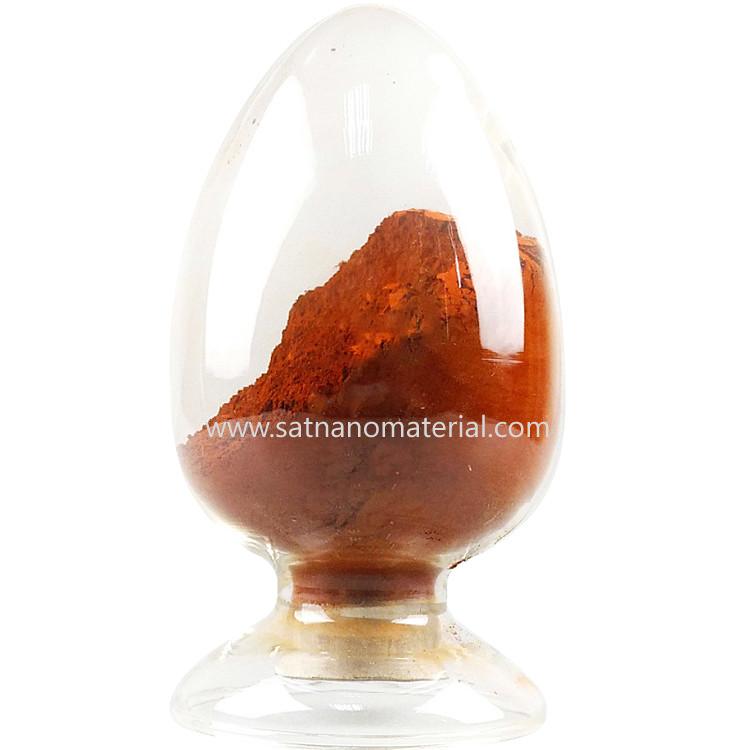
iron oxide powder

In short, there are various types of dielectric materials, and different materials have different dielectric constants and performance characteristics. In practical applications, selection and processing need to be based on specific requirements. And the high-quality nanomaterials provided by Dongguan SAT NANO New Materials Company can provide various
The application of dielectric materials in the industry provides support, providing an effective way to achieve high-performance and low-cost goals.

Which nanomaterials can be used as self-lubricating materials

With the increasing demand for the performance and lifespan of mechanical equipment, the application of self-lubricating materials in the industrial field is becoming increasingly widespread. Nanomaterials play an important role in the manufacturing of self-lubricating materials due to their excellent physical properties. So, which nanomaterials can be used for the manufacturing of self-lubricating materials?


Graphene is a two-dimensional material composed of carbon atoms and is currently one of the hot topics in the research of self-lubricating materials. It has high thermal conductivity and chemical stability, and can effectively lubricate metal surfaces. In addition, graphene also exhibits excellent performance in terms of wear and friction.

In addition to graphene, nano copper powder is also a commonly used self-lubricating material. When copper powder is worn on the surface, an oxide film is formed, which ruptures and regenerates to achieve lubrication effect. Nano copper powder not only has the lubricating properties of traditional copper powder, but also has better fluidity and plasticity.

In addition, borosilicate nanomaterials are also widely used in self-lubricating materials. Borosilicate has high hardness and chemical stability, and can have good lubrication performance under high temperature and high pressure conditions. At the same time, silicon boride nano powder can also achieve better lubrication performance through surface modification.


As a leading supplier of nano materials, SAT NANO provides a variety of high-quality nano powders as raw materials for manufacturing self-lubricating materials. Whether graphene, copper powder or silicon boride nanomaterials, SAT NANO can provide high-quality, high-purity, uniform particle size, and excellent surface treatment nanometer powders. Our products are widely used in the manufacturing of self-lubricating materials in fields such as automobiles, machinery, aerospace, and electronics.


Overall, nanomaterials play an important role in the manufacturing of self-lubricating materials. Graphene, copper powder, and silicon borate nanomaterials are currently commonly used materials. As a leading supplier of nano materials, Saite can provide customers with a variety of high-quality nano powders to meet the needs of self-lubricating materials manufacturing in different fields.

Which nanomaterials have different crystal forms

In recent years, the application of nanomaterials has received increasing attention. Nanomaterials have a larger specific surface area and submicron size, giving them chemical and physical properties that differ from macroscopic substances. The crystal structure of nanomaterials has a significant impact on their properties. Nanomaterials with different crystal forms have certain advantages in their respective application fields.
Dongguan SAT NANO is a professional company that provides nanomaterials, with years of technical research and market experience. We provide customers with high-quality nanomaterials and different crystal forms to help them meet their innovative needs.

Next, let's take a look at several common nanomaterials and their different crystal forms.


1. Titanium dioxide nanomaterials

Titanium dioxide is a widely used nanomaterial that can be used in fields such as solar cells, catalysts, self-cleaning coatings, etc. The crystal forms of titanium dioxide include rutile phase, rutile phase, and rutile rutile phase. The rutile phase titanium dioxide has a high specific surface area and good optical properties, making it suitable for preparing dye sensitized solar cells. The rutile phase of titanium dioxide has good catalytic activity and is widely used in the field of catalysts.

titanium dioxide powder

2. Carbon nanotubes

Carbon nanotubes are nanomaterials with special mechanical, electrical, and thermal properties. The crystal form of carbon nanotubes has various forms such as single walled, multi walled, and corolla. Among them, single-walled carbon nanotubes are a unique hollow pipeline structure with good conductivity and thermal conductivity, making them very suitable for making battery electrode materials and conductive composite materials.

Hybrid material carbon nanotubes

3. Nano gold particles

Nano gold particles are a common metal nanomaterial that can be applied in fields such as biomedicine and printing. The crystal forms of gold nanoparticles include hexagonal and face centered cubic crystal systems. Hexagonal crystal based gold nanoparticles can be used as carriers for anti-cancer drugs, while face centered cubic crystal based gold nanoparticles can be applied to the production of printed products.


The above are three common nanomaterials and their different crystal forms. Dongguan Saite, as a professional supplier of nanomaterials, can provide customers with a variety of different crystal forms of nanomaterials, and provide support and guidance in the application field, helping customers achieve more diverse and innovative applications.

Application of boron nitride lubricant in forging process

In recent years, there has been a trend of oil-based lubricants being replaced by water-based lubricants. Boron nitride coatings are often used in forging nickel based alloys, high melting point alloys, and titanium machined parts, which not only provide lubrication but also prevent workpiece oxidation.
Boron nitride coatings
Characteristics that forging lubricants should possess
1. Evenly moisten the surface to prevent local lack of lubrication;
2. There is no residue, as it can accumulate deep in the forging mold, affecting tolerances or surface quality of the workpiece, and cannot deposit or be difficult to remove on equipment or in the environment;
3. The mold should not corrode and a protective coating should be applied to the mold;
4. It has a certain cooling effect;
5. Suitable for automatic feeding, preferably suitable for spraying methods;
6. Not polluting the environment and not forming harmful substances to the body;

boron nitride coating

(The picture shows the effect of spraying release coating)

The role of boron nitride lubricant in forging process

Boron nitride lubricant used in forging process is a process material that is coated on the surface of metal, providing full protection from room temperature to high temperature, and playing a protective, lubricating, thermal insulation, and bonding role during pressure and thermal deformation. It has a dual effect of billet protection and mold lubrication.
Boron nitride lubricant can prevent or delay O2 at working temperature Diffusion and migration of H2, N2, and metal ions; Boron nitride lubricant has good adhesion and wetting properties with the metal substrate at working temperature, high pressure resistance, tensile strength, and good plasticity. It can be extended with the metal without breaking the lubricating film. Boron nitride lubricant reacts with the surrounding medium in an inert manner and does not corrode the metal; Boron nitride lubricant has a reasonable melting point, high temperature viscosity, and high thermal stability, especially at working temperature. The coating has self-healing properties. For applications with special requirements, boron nitride lubricant can achieve self stripping and anti slip, and can be applied to free forging of various metal materials; Boron nitride lubricant has a low thermal conductivity and good insulation performance, which can effectively improve the plasticity of metals. Boron nitride lubricant is an environmentally friendly material that does not contain toxic or volatile components. So it has functions such as protection (anti oxidation, anti decarburization, anti hydrogen absorption,...), lubrication, demolding, insulation, insulation, and high-temperature bonding, which can reduce deformation resistance, improve plasticity, and improve surface quality; Reduce metal material loss and extend the service life of molds. Generally speaking, the application of boron nitride lubricant can reduce the deformation resistance of forgings (more than 20%), improve the plasticity of metals, improve the surface quality of forgings, and extend the service life of molds (twice)

boron nitride coating

(The picture shows the use of antioxidant protection for molds in production workshops)

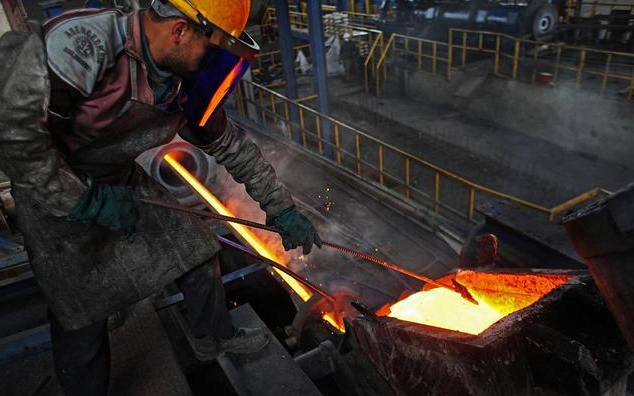
Boron nitride lubricant can be used in the temperature range of 400-1500 ℃. Widely used in: die forging, precision forging, isothermal forging, warm forging, sleeve forging, pipe extrusion, precision extrusion, warm extrusion, superplastic forming, plate rolling, stretching, piercing, billet forging, spinning, etc; Various special deformation parts, large structural parts, difficult to deform alloy hot forming, etc. It can also be used for heat treatment and protective coating, and can be used for different heating methods such as titanium alloys, high-temperature alloys, stainless steel, structural steel, other non-ferrous, black, and refractory alloys, hot working electric furnaces, oil furnaces, gas furnaces, induction heating, etc.

boron nitride coating

(The picture shows the coating used for high-temperature metallurgical demolding)

It must be pointed out that the application of boron nitride lubricant is one of the necessary means to achieve precision in forging blanks, which can improve the utilization rate of metal materials, reduce costs, save labor hours, and improve efficiency.


SAT NANO is the best supplier of boron nitride powder and boron nitride coating in China, if you have any enquiry, please feel free to contact us at admin@satnano.com


Current Status and Development Trends of Copper and Copper Alloy Powder Manufacturing Technology

Copper powder

and copper alloys powder have excellent physical and chemical properties, such as high conductivity, thermal conductivity, and corrosion resistance, and are widely used in the power industry, thermal management systems, nuclear power plants, and aerospace industry. High strength, wear-resistant, and corrosion-resistant copper alloys are used for automotive parts and daily necessities.

This article introduces the types and preparation methods of copper and copper alloy raw material powders used for additive manufacturing (AM), and summarizes the current status of AM technology for copper based parts at home and abroad. The process flow and advantages and disadvantages of different AM methods were emphasized, and the technical difficulties and corresponding solutions affecting the quality of parts were analyzed. The development direction of AM technology for copper based parts was also discussed.

AM technology is a new method for preparing parts based on layered slicing and discrete data of the 3D model of the part, and by accumulating materials layer by layer. Compared with traditional manufacturing methods, AM technology has advantages such as high design freedom and short production cycle, making it suitable for 3D printed parts with complex shapes, lightweight or multifunctional gradients

AM technology

Atomized copper and copper alloy powder
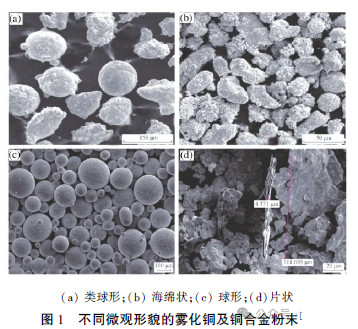
The atomization method pulverizes metal melt into particles with a size less than 150 μ m through mechanical means. The microstructure of metal powders obtained by different atomization processes varies, including spherical, sponge like, spherical, and flaky shapes.

Copper and copper alloy additive manufacturing process

copper alloy powder

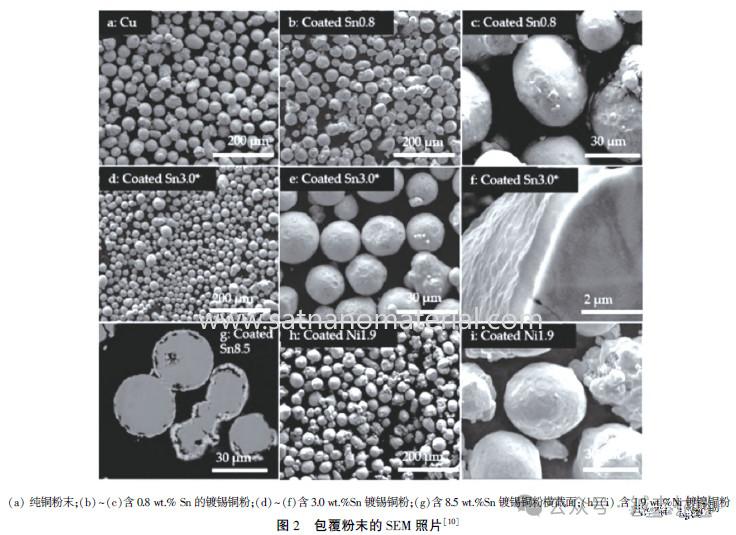
Coated powder
Coating powder improves its properties, such as conductivity and ductility, by coating other metals or alloys on the surface of copper powder. For example, Figure 2 shows different components
coated copper powder

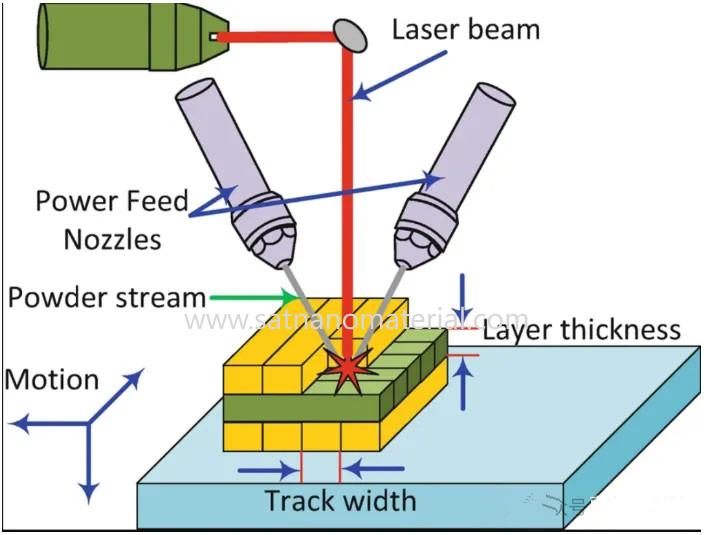
The main AM processes include selective laser melting (SLM), electron beam melting (EBM), binder jet (BJ), and powder extrusion printing (PEP)
1. Selective Laser Melting (SLM)
SLM uses laser beams to melt powder materials layer by layer, forming dense parts. Its advantages are high dimensional accuracy and fast deposition rate, but it requires high sphericity and flowability of powder materials.
2. Electron Beam Melting (EBM)
EBM uses electron beam to melt metal powder, which is suitable for preparing complex structured parts. Compared with SLM, EBM has higher energy utilization efficiency, but the equipment cost is higher.
3. Adhesive spraying (BJ)
BJ binds powder particles together by spraying adhesive, and then performs sintering treatment. Its advantages are low cost and high output, but the process involves multiple steps and the operation is complex.
4. Powder Extrusion Printing (PEP)
BJ binds powder particles together by spraying adhesive, and then performs sintering treatment. Its advantages are low cost and high output, but the process involves multiple steps and the operation is complex.
Main application examples

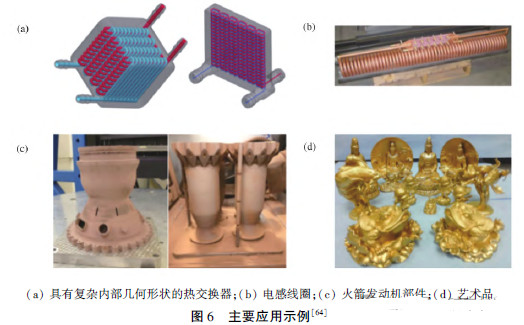
AM technology has a wide range of applications in various fields, such as heat exchangers, inductors, rocket engine components, and art. For example, NASA has developed rocket engine components with cooling channels printed using SLM technology.

AM technology application

SAT NANO is a best supplier of copper powder, copper alloy powder for 3D printing, we can supply 5um, 10um, 30um, if you have any enquiry, please feel free to contact us at admin@satnano.com

How to characterize the dispersion effect of powder

(1) Particle size characterization

Particles disperse in liquid to form a suspension system. The smaller the particle size and the more stable it becomes over time, the better its dispersion and less likely it is to agglomerate. Particle size characterization is commonly used to characterize the particle dispersion before and after surface modification. The better the dispersion of particles, the closer the particle size distribution is to monodisperse particles; On the contrary, the poorer the particle dispersion, the more the particle size distribution tends to shift from monodisperse particles to coarser particles.

powder dispersion

(2) Electron microscopy characterization
Scanning electron microscopy is the most intuitive method for characterizing the existence state of particles in liquid systems. After dispersing the particles in the liquid phase, take an appropriate amount of suspension and drop it into the scanning electron microscope stage. After drying, observe under the electron microscope and take photos to compare the dispersibility.
(3) Zeta potential
Zeta potential is the potential difference between particles and solution when particles move relative to each other along the slip surface. The pH value of the solution corresponding to zero potential is called the isoelectric point. The zeta potential value and its isoelectric point on the surface of particles are important parameters for studying the dispersion and aggregation behavior of particles. In recent years, some people have used the surface zeta potential of particles as a standard to evaluate the dispersion stability of particles in water. It is generally believed that when the absolute value of the surface zeta potential of particles in a dispersed system is above 30mV, the dispersed system is a stable system, and the larger the absolute value of the zeta potential, the better the stability of the dispersed system.
(4) Gravity settlement

The settling method is a method of determining the stability of a dispersed system by measuring the settling volume and settling velocity of solid particles in a suspended system under the action of gravity. Under the influence of gravity, after a certain settling time, the more settling particles there are, the worse the dispersion; The fewer settling particles on the opposite side, the better the dispersion. However, due to the long time consumption of the settlement volume method, the method of measuring the settlement rate is generally adopted. The measurement method for settling rate is generally to use a UV spectrophotometer to measure the absorbance of a suspension system over time, and then convert the absorbance value into the concentration of particles in the suspension to evaluate the dispersion stability of particles in the suspension system.


SAT NANO is one of the best supplier in China, we can offer TiO2 dispersion, ZnO dispersion, SiO2 dispersion and other metal dispersion, if you have any enquiry, please feel free to contact us sat admin@satnano.com

Intragranular dispersion enhancement of carbon nanotubes in aluminum based composite materials

Carbon nanotubes (CNTs) reinforced aluminum composites with unique intragranular dispersion were obtained using ultra short carbon nanotubes, and nanoscale carbon nanotubes were uniformly distributed within ultrafine aluminum grains. Compared with typical CNT/Al composite materials with intergranular carbon nanotube dispersion, this intragranular carbon nanotube/aluminum composite material has stronger dislocation pinning and retention ability, thereby exhibiting both strength and ductility improvement. The current intragranular dispersion strategy will provide ideas for the preparation of strong and tough nanocarbon reinforced metal matrix composites.

carbon nanotube

Figure 1. Schematic diagram of preparing long and short CNT/Al composite materials through variable speed ball milling, sintering, and hot extrusion processes

carbon nanotube

Figure 2. TEM images of long (a) and short (b) CNT/Al composite materials. The percentage and length distribution of intergranular and intragranular carbon nanotubes in extruded composite materials: (a) long CNT/Al composite materials, (b) short CNT/Al composite materials.

carbon nanotube

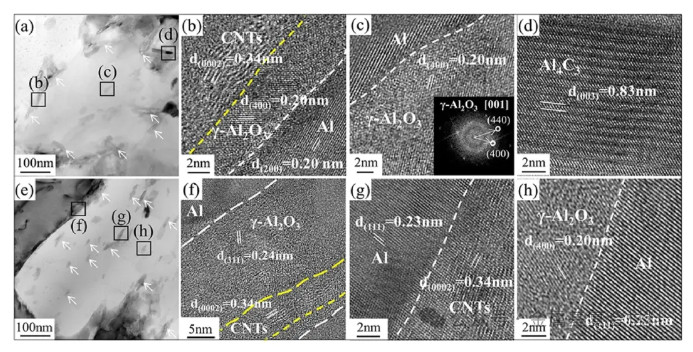
Figure 3. (a) STEM image of long carbon nanotube/aluminum composite material, with white arrows displaying carbon nanotubes and (b-d) HRTM displaying carbon nanotube structure, with γ - Al2O3 and Al4C3; (e) Short CNT/Al composite material, white arrow represents CNTs, (f-h) HRTEM represents the structure of CNTs and γ - Al2O3.

carbon nanotube

Figure 4. (a) Engineering tensile stress-strain curve, (b) True stress-strain curve, (c) Strain hardening rate curve of Al and long short CNT/Al composite materials. (d) Elongation rate and strengthening efficiency.

carbon nanotube

Figure 5. STEM images and dislocation density of composite materials after 4% tensile deformation: (a), (c) long CNT/Al composite materials, and (b), (d) short CNT/Al composite materials.


SAT NANO is one of the best supplier of carbon nanotube, we can offer MWCNT, MWCNT-OH, MWCNT-COOH powder, if you have any enquiry, please feel free to contact us at admin@satnano.com

Some knowledge of metal materials nickel based high-temperature alloy powder

Nickel based high-temperature alloy powder

are a type of metal material specially designed to withstand high temperature, high pressure, and corrosive environments, and are very suitable for use under extreme conditions. They are mainly composed of nickel, chromium, and iron, and elements such as molybdenum, cobalt, niobium, titanium, and aluminum are often added to enhance their performance.

Classification and common series of nickel based high-temperature alloys:

Solid solution reinforced nickel based high-temperature alloy:

Features: The solid solution strength and antioxidant properties are mainly improved by adding chromium and iron.

Example: Inconel 600 series, suitable for furnace racks, heat treatment equipment, etc.

Precipitation hardening nickel based high-temperature alloy:

Characteristic: This type of alloy enhances strength through the precipitation of a second phase such as gamma prime, and has excellent high-temperature strength.

Example: Inconel 718, containing titanium and aluminum, is mainly used in the aerospace industry.

Processing technology:

The processing technology of nickel based alloys includes traditional forging, casting, machining, and welding. Due to the complex strengthening mechanism of nickel based high-temperature alloys at high temperatures, processing often faces problems such as hardening, cracking, and tool wear. The welding of high-temperature alloys is particularly challenging, requiring specially designed welding materials and parameters.

Precision casting: Turbine blades are often manufactured through precision casting to maintain complex geometric shapes and high precision.

Application field:

Aerospace: turbine engine blades and discs, rocket engine components.

Energy industry: Internal structure of nuclear reactors, oil extraction equipment under high temperature and pressure.

Automotive industry: used to manufacture high-performance engine components, such as turbochargers.

Chemical and petrochemical industries: reactors, heat exchangers, and pipelines, especially those that require high temperature resistance and corrosion resistance.


SAT NANO is a best supplier of alloy powder in China, we can offer Incobel 718 alloy powder and Incobel 625 alloy powder, if you have any enquiry, please feel free to contact us at admin@satnano.com

Surface modification methods and applications of aluminum powder

Aluminum powder is a commonly used filler, widely used in fields such as thermal interface materials and industrial coatings. However, traditional aluminum powder has problems such as high viscosity, poor dispersibility, and poor thermal stability, which limit its effectiveness in some special applications. To address these issues, researchers have carried out many modification methods to improve the performance of aluminum powder.


A relatively effective method for surface modification of aluminum powder is to use silane coupling agents for chemical modification. For example, hexadecyltrimethoxysilane, dodecyltrimethoxysilane, decyltrimethoxysilane, and octyltrimethoxysilane can all be used as modifiers for aluminum powder. These modifiers can enhance the compatibility between aluminum powder and organic matrix, improve its dispersibility and thermal stability, and thus enhance the performance of aluminum powder in composite materials.


The specific modification method is as follows: first, add aluminum powder with an average particle size of 1-2 μ m to anhydrous ethanol, stir for 2 hours, add silane coupling agent, and stir again for 5 hours. Then, reflux the sample at 75 ℃ and use SEM XRD, FT-IR and other tools were used to test and characterize it. The results showed that aluminum fillers treated with surface chemical properties significantly improved the performance of thermal interface materials, with a viscosity reduction of 77%, a fracture elongation of 154.71%, an increase in thermal conductivity, and an increase of nearly 20% in thermal stability under extreme cold and hot cycling conditions.

aluminum powder

In addition, thermal conductive fillers modified with different silane coupling agents have a significant impact on the dispersion of fillers and the performance of thermal conductive composite materials. The comprehensive performance of the aluminum filler modified with dodecyltrimethoxysilane coupling agent and the thermal interface material prepared by it is the most excellent. From the perspective of surface energy, reducing the surface energy of aluminum fillers is beneficial for improving the dispersibility of aluminum fillers in organic silicon matrices.

In summary, the use of silane coupling agent modification can effectively improve the performance of aluminum powder and enhance its application effect in the field of thermal interface materials. In practical applications, it is necessary to select appropriate silane coupling agents and modification methods based on specific needs, and use SEM XRD, FT-IR, TGA, and contact angle tools were used to test and characterize it to verify its modification effect.


SAT NANO is one of the best supplier of Aluminum powder in China, we can offer 100nm, 1-3um, 10-50um particle and so on, if you have any enquiry, please feel free to contact us at admin@satnano.com